



In contemporary interior design, there is a growing appreciation for materials that feel authentic, tactile, and connected to nature. Rather than relying exclusively on perfectly uniform surfaces, designers are exploring subtle variations in color, texture, and finish to create spaces with greater depth and character.
Two design concepts closely related to this approach are Wabi-Sabi, a Japanese aesthetic philosophy, and Organic Design, which draws inspiration from natural forms, materials, and environments.
Japanese-made tile offers an interesting way to bring these ideas into modern interiors. Through glaze, firing, surface texture, and natural tonal variation, tile can introduce a sense of individuality while remaining a practical architectural material.
This article explores the relationship between Wabi-Sabi, Organic Design, and Japanese tile, and how these ideas can be applied to contemporary hospitality, commercial, and residential spaces.
Understanding Wabi-Sabi: The Beauty of Imperfection
Appreciating natural variation
Wabi-Sabi is a traditional Japanese aesthetic concept that finds beauty in simplicity, imperfection, and the passage of time. It encourages an appreciation of things that are understated, naturally irregular, or shaped by their history and use.
A handmade ceramic vessel with subtle differences in shape, weathered wood with a changing surface, or stone with natural markings can all express qualities associated with Wabi-Sabi.
Importantly, Wabi-Sabi is not simply about making something look old or imperfect. It is about recognizing the character of a material rather than expecting every surface to be completely uniform. Natural variation can give an object or space a sense of authenticity and individuality.
Bringing Wabi-Sabi into contemporary interiors
In modern interiors, this philosophy can be expressed through restrained color palettes, tactile surfaces, natural materials, and carefully considered combinations of finishes.
For example, a softly textured tile wall can bring warmth to an otherwise minimal room. A surface with subtle tonal variation can create visual interest without requiring bold patterns or elaborate decoration.
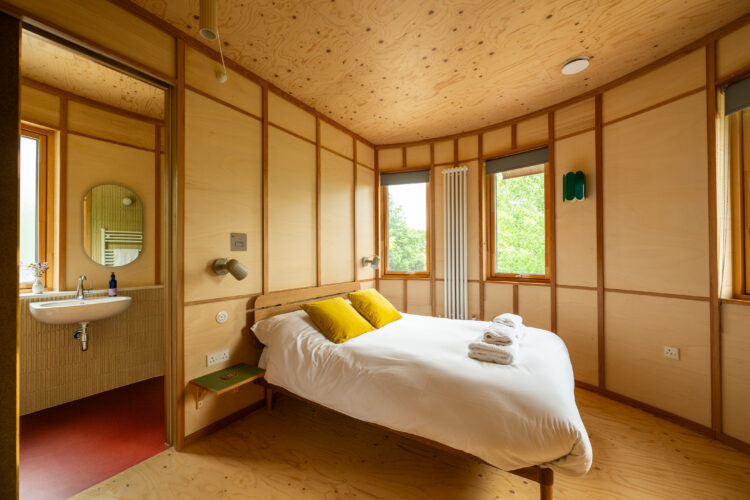
Photo provided by: Mittsu Japanese Tile Explore KB-M-76
The intention is not to reproduce a traditional Japanese interior. Instead, designers can draw on the underlying principle of appreciating material character and apply it in ways that suit contemporary architecture.
Organic Design: Creating Harmony with Nature
Drawing inspiration from natural forms and materials
Organic Design takes inspiration from the forms, colors, and textures found in nature. It often incorporates materials such as wood, stone, and clay, along with flowing shapes, curved lines, and natural color palettes.
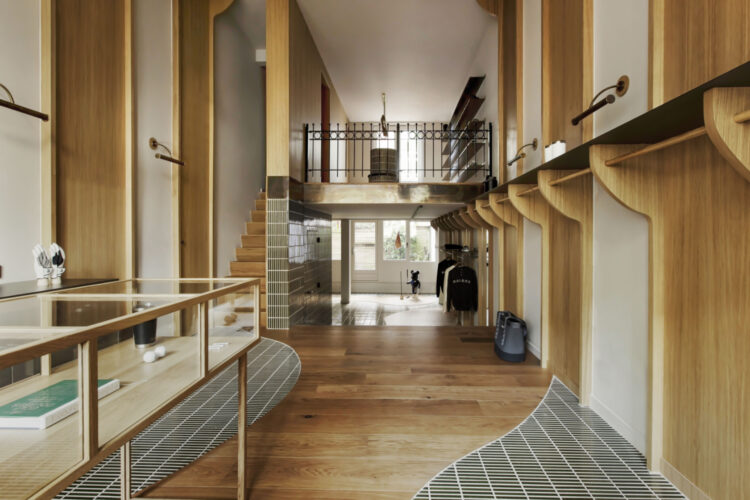
Photo provided by: Mittsu Japanese Tile Explore KB-M-1
The goal is to create an environment that feels connected to its surroundings rather than overly artificial or rigid.
This does not mean that every element must be a natural material. The concept is also expressed through the way materials are combined, how surfaces interact with light, and how the overall space feels.
The role of tile in natural material combinations
Tile can play an important role in Organic Design. Although it is a manufactured building material, ceramic tile is made from mineral-based materials and can express a wide range of natural-looking colors and textures.
When combined with wood, stone, concrete, or metal, tile can help connect different materials within a space. For example, a softly glazed tile can complement the warmth of timber, while a textured surface can introduce contrast beside smooth stone or polished metal.
Tile can also evoke natural elements through its color, shape, and surface treatment. Earthy tones may recall clay or soil, while irregular surface textures can suggest the appearance of natural stone.
Rather than imitating nature literally, tile offers designers a way to interpret natural qualities through a durable architectural surface.
How Japanese Tile Expresses Natural Character
The influence of glaze and firing
One of the distinctive qualities of Japanese-made tile is the variety of surface expressions created through glaze and firing.
The type and application of glaze, firing temperature, and conditions inside the kiln can influence a tile’s color, gloss, and texture. Depending on the manufacturing process and product design, subtle differences may appear from one tile to another.
Some products are designed to achieve a highly consistent appearance. Others intentionally embrace tonal variation and surface character as part of their aesthetic.
These qualities can be particularly effective in spaces where designers want a surface to feel layered and visually engaging without relying on an elaborate pattern.
Balancing variation and consistency
Natural variation can add depth to a tiled wall or floor, but it should be considered as part of the overall design rather than treated as an automatic advantage.
A more consistent tile may be appropriate for a clean, structured interior. A product with greater shade variation may be better suited to a relaxed, organic atmosphere.
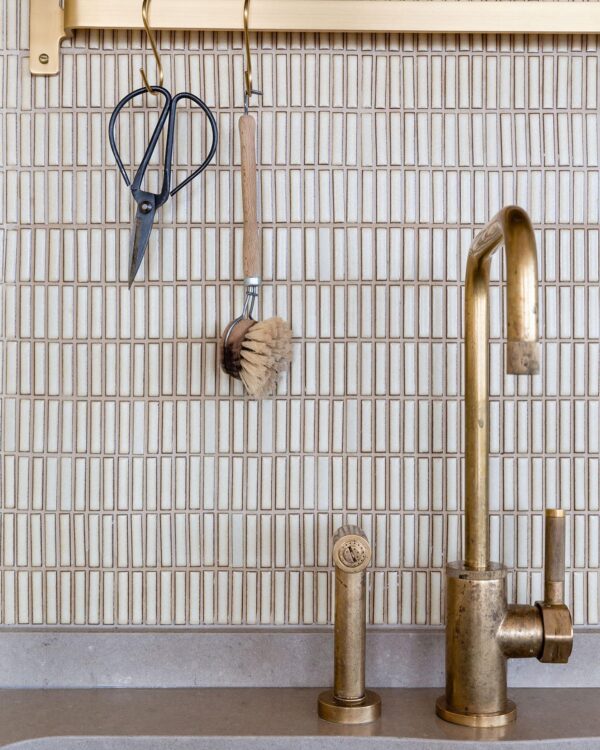
Photo provided by: @strongbuild Explore KR6-SS
When specifying a tile with noticeable variation, it is important to review multiple pieces together. A single sample cannot always communicate the full range of colors and textures that may appear in an installation.
Designers should also consider how lighting and surrounding materials will influence the finished appearance. The goal is to understand the character of the product and decide how much variation supports the design intent.
Applying Wabi-Sabi and Organic Design in Modern Spaces
Hospitality and commercial interiors
Hotels and restaurants often need to create memorable environments while maintaining a comfortable atmosphere. Materials with subtle variation and tactile qualities can help achieve this balance.
In a hotel lobby, a textured tile wall can introduce warmth and character without overwhelming the reception area. In a restaurant, a softly varied surface behind a counter or dining area can create a distinctive backdrop.
Combining tile with wood, stone, or metal can further strengthen the relationship between different materials. The result can feel refined and contemporary while retaining a connection to natural textures.
Residential interiors
In residential spaces, tile can bring a sense of material richness to areas such as living rooms, kitchens, and bathrooms.
A tile feature wall can add depth to a living space, while a carefully selected backsplash can complement natural wood cabinetry. In bathrooms, subtle surface variation and restrained colors can help create a calm, understated atmosphere.
The effect does not need to be dramatic. Sometimes a small amount of texture or tonal variation is enough to make a space feel more personal and distinctive.
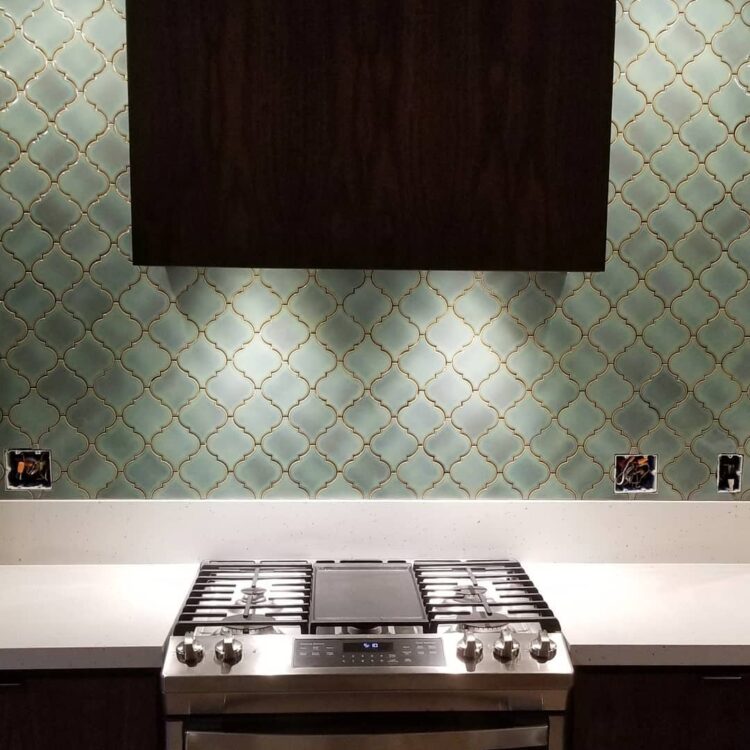
Photo provided by: @stovertileanddesign Explore ARB-2
Balancing aesthetics with practical requirements
A natural-looking surface must still meet the practical demands of its intended application.
Before specifying tile, consider its suitability for the proposed location, along with durability, cleaning requirements, installation conditions, and maintenance. These factors are particularly important in hotels, restaurants, and other high-traffic commercial environments.
The most successful designs bring together visual character and long-term performance. Understanding both aspects allows designers to use the material with confidence.
Conclusion: Designing with the Character of Materials
Wabi-Sabi and Organic Design share an appreciation for natural character, material authenticity, and the beauty of variation. They encourage designers to look beyond perfect uniformity and consider how surfaces contribute to the atmosphere of a space.

Explore Shiki
Japanese-made tile can express these qualities through its glazes, firing techniques, textures, and subtle differences in appearance. From understated finishes to more expressive surfaces, it offers a wide range of possibilities for contemporary interiors.
The key is not to introduce variation simply for its own sake, but to select materials that support the design concept and work in harmony with the surrounding environment.
When tile is considered not merely as a finishing material but as an integral part of the spatial experience, it can help create interiors that feel thoughtful, authentic, and connected to the natural world.