


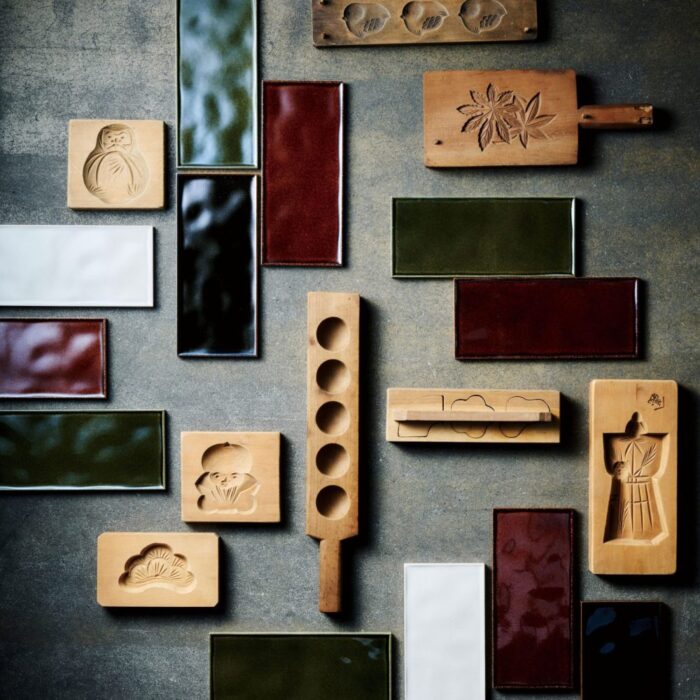
Interior design and architectural trends around the world are evolving. Rather than the uniform, minimalist look that once dominated modern spaces, there is a growing appreciation for designs that highlight the natural character, texture, and variation of materials.
At the same time, sustainability and the creation of comfortable, inviting spaces have become increasingly important in architecture and interior design. Materials that showcase natural textures and the subtle marks of craftsmanship are gaining attention. Against this backdrop, Organic Design, inspired by nature, and Wabi-Sabi, the Japanese aesthetic of finding beauty in imperfection and the passage of time, have captured the interest of architects and interior designers around the world.
Japanese tile fits naturally into this growing movement. The subtle variations in glaze, color, and texture created through the firing process bring depth and character to a space. Today, Japanese tile is used not only in traditionally Japanese interiors, but also in a wide range of settings, including hotels, restaurants, commercial spaces, and residential projects.
So, what makes Japanese tile so appealing to architects and interior designers in Japan and around the world? In this article, we’ll explore three key reasons why Japanese tile is gaining attention in global architecture and interior design.
3 Reasons Japanese Tile Is Gaining Attention Worldwide
Japanese tile offers more than exceptional quality—it brings unique character, craftsmanship, and beauty to every space.
Rich Colors and Textures Created by Glazing and Firing
Delicate glaze variations, naturally occurring shifts in color created during the firing process, textures that change with the way light falls across the surface, and craftsmanship that gives each tile its own subtle character—these qualities create a kind of “beauty in variation” that is difficult to reproduce through mass production.
At the same time, Japanese tile manufacturers have developed sophisticated manufacturing techniques over decades that maintain consistent quality without compromising design. This balance between quality, craftsmanship, and distinctive design is one of the defining strengths of Japanese tile.
A Natural Fit for Global Design Trends
In recent years, more projects around the world—particularly hotels, restaurants, and high-end residential spaces—have embraced natural materials and building materials with a handcrafted feel.
Rather than allowing the overall space to make a bold statement, designers are increasingly focusing on bringing out the inherent beauty of each material. Tiles with natural color variation and distinctive glaze characteristics have become an important design element for creating this aesthetic.
Japanese tile is particularly well suited to these trends. Its refined textures and subtle variations complement not only traditional Japanese-inspired spaces, but also modern interiors and contemporary architecture, allowing it to blend seamlessly into a wide range of design concepts.
 Explore KB-M-1
Reliability Backed by Japanese Craftsmanship
Japan’s tile industry combines techniques refined through a long history of ceramic craftsmanship with modern quality control and manufacturing standards.
The ability to combine the sensitivity and expertise of skilled artisans in glaze development and firing with rigorous manufacturing processes that ensure consistent quality is one of the defining characteristics of Japanese tile.
For architects and designers, the appeal of Japanese tile goes beyond beautiful design. Its quality and reliability give professionals confidence in specifying Japanese tile for a wide range of projects, making it a trusted choice for both aesthetic and practical considerations.


Key Takeaways
As global design trends continue to shift from uniform aesthetics toward designs that celebrate the natural character and texture of materials, Japanese tile is gaining attention from architects and interior designers around the world for its refined character and exceptional quality.
Japanese tile is more than a building material. It brings character, warmth, and a sense of story to a space. The unique value created by Japan’s distinctive aesthetic sensibility and craftsmanship is likely to play an increasingly important role in the future of architecture and interior design. By continuing to combine tradition with innovation, Japanese tile manufacturers will continue to respond to the diverse and evolving needs of design professionals around the world.
In future articles, we will explore the craftsmanship and design philosophy behind Japanese tile, emerging trends in global architecture and interior design, and key considerations when selecting tile and other materials for a project. Through these stories, we hope to share the unique value that Japanese craftsmanship brings to spaces around the world.