


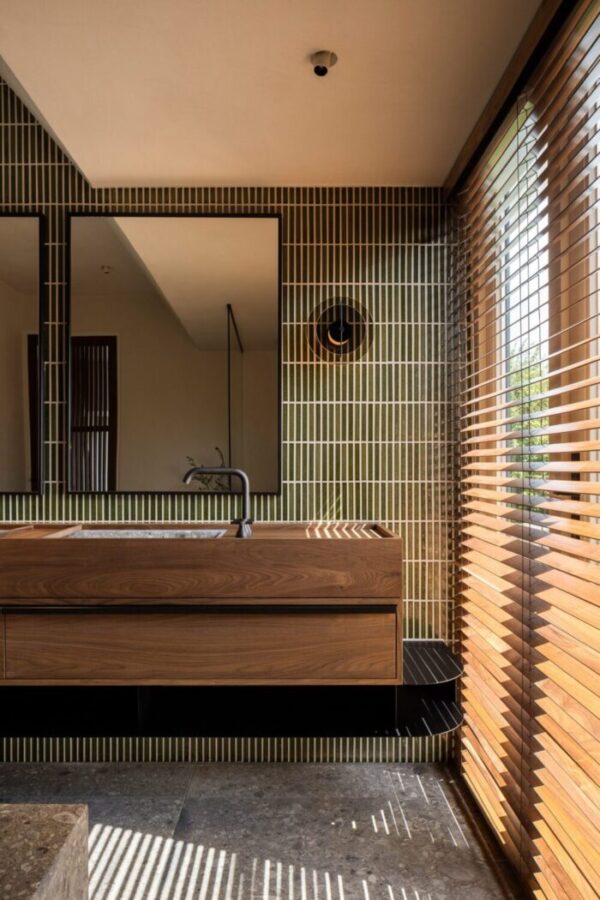
The same tile can create a completely different impression depending on its size, shape, and installation pattern.
When selecting tile, color, texture, and glaze often receive the most attention. But for architects and interior designers, the way a tile is laid out is just as important. Tile size, shape, layout, and grout lines all influence how a space feels, from its perceived scale and proportions to its visual rhythm and overall character.
A tile can look very different as a single sample than it does when repeated across an entire wall or floor. Changing the installation pattern alone can make a space feel wider, taller, more structured, or more dynamic.
In this article, we explore how tile size, shape, installation patterns, and grout can influence an interior—and how the variety of Japanese-made tile can open up additional possibilities for design.
How Tile Size Creates a Sense of Scale
How Size Changes the Impression of a Space
Tile size has a significant influence on how large or small a space appears.
Large-format tile creates a clean, continuous surface with fewer grout lines. It can be effective when the goal is to create a spacious, minimal, and refined interior.
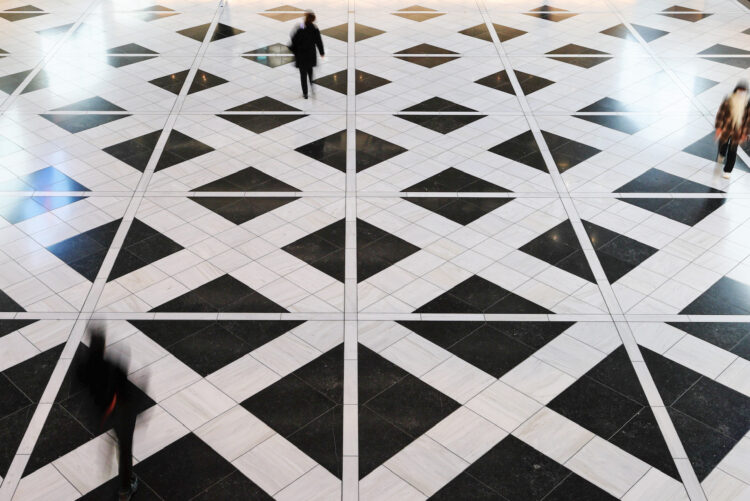
Smaller tiles, on the other hand, introduce more visual rhythm. The increased number of grout lines creates a finer pattern and can give a wall or floor a more detailed and distinctive character.
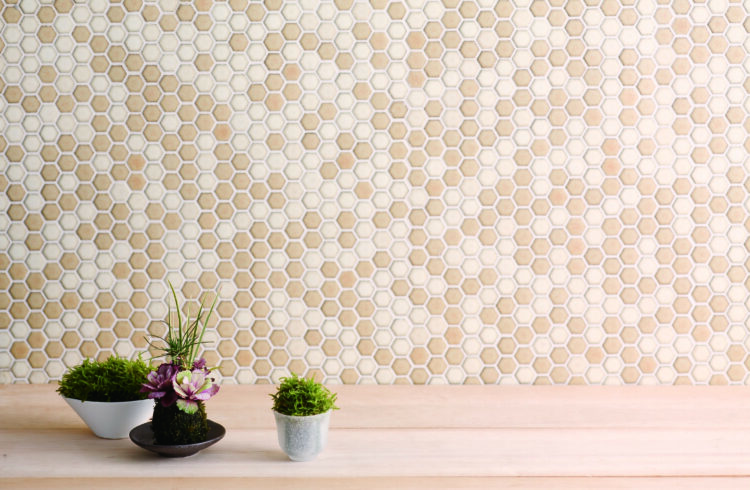
This does not mean that large tile is always the right choice for a large room, or that small tile should only be used in compact spaces. Small-format tile can create a rich sense of rhythm across a large surface, while large-format tile can make a small space feel visually simpler and more open.
Choosing Tile Size for the Space
When selecting tile size, consider the dimensions and proportions of the space, as well as its intended use.
Large-format tile can help create a calm, continuous surface on a broad wall or floor. Smaller tiles can add detail to a bathroom, shower, backsplash, feature wall, or other area where a more intimate visual character is desired.
The key is not simply choosing between “large” and “small,” but considering how the scale of the tile relates to the scale of the space and the atmosphere you want to create.
How Tile Shape Creates Design Variation
Changing the Shape Changes the Space
Tile shape can dramatically influence the character of an interior.
Square tile creates a sense of order and stability. Rectangular tile can emphasize direction, depending on whether it is installed horizontally or vertically.
Subway tile is one of the most versatile rectangular formats. It can create anything from a classic and familiar look to a clean, contemporary interior, depending on the glaze, color, grout, and installation pattern.
Hexagon tile introduces a more geometric rhythm, while Penny Round tile creates a softer visual effect through its small, curved forms.
These different shapes allow designers to create very different expressions even when the color and material are similar.


Exploring Combinations of Shape and Material
The shape of a tile does more than change its appearance. It can also influence how the tile interacts with the other materials in the space.
A simple square tile can allow the color, glaze, or Shade Variation to take center stage. A distinctive geometric shape, by contrast, can become a visual focal point in its own right.
When selecting tile shape, it is therefore useful to consider not only the tile itself but also its relationship to wood, stone, metal, glass, lighting, and architectural details.
The right shape can reinforce the design concept without competing with the other elements of the interior.
How Installation Patterns Change Visual Rhythm
The Same Tile, a Different Look
The way tile is installed—often referred to as the tile layout or installation pattern—is one of the most effective ways to change the appearance of a space.
The same tile can look completely different when arranged in different patterns.
Common tile installation patterns include Straight Set, Running Bond, Stack Bond, and Herringbone.
A Straight Set layout aligns the grout lines vertically and horizontally, creating a clean and orderly appearance.
Running Bond offsets each row, creating a more relaxed and familiar look often associated with brickwork.
Stack Bond emphasizes continuous vertical and horizontal lines, giving a space a more structured and contemporary appearance.
Herringbone creates a strong sense of movement and a more decorative, traditional character.
The choice of pattern can therefore influence not only the appearance of the tile but also the visual rhythm of the entire room.
Direction and Visual Effect
Rectangular tile can also create different effects depending on its orientation.
Horizontal layouts can emphasize width and create a sense of visual expansion. Vertical layouts can draw the eye upward and make a wall or room feel taller.
Diagonal layouts and more complex patterns can introduce movement and individuality, making them particularly useful for feature areas.
However, installation patterns should not be selected for appearance alone. Different layouts can affect tile quantities, cutting requirements, installation time, and labor. These practical considerations should be evaluated alongside the design intent.
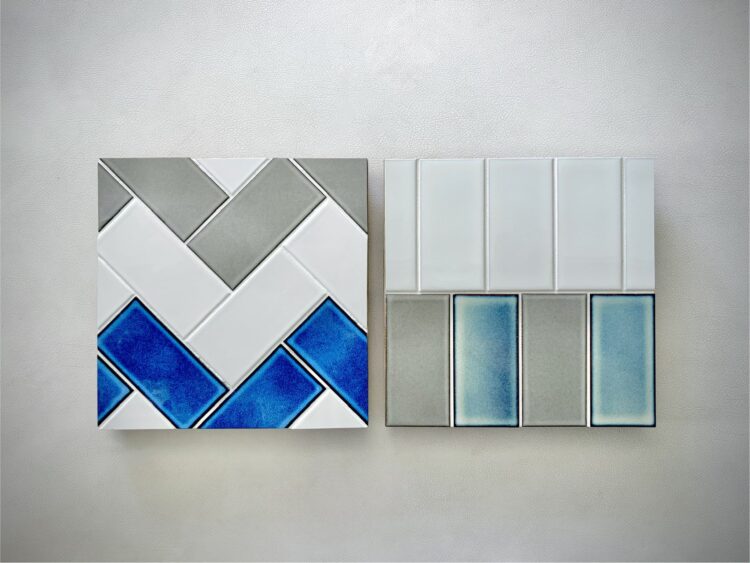
How Grout Lines Shape the Overall Design
Grout Is Part of the Design
Grout is sometimes treated as a secondary consideration after the tile has been selected. In reality, both grout width and grout color can significantly influence the finished appearance.
A narrow grout joint in a color close to the tile can create a more continuous surface, allowing the tile color and material character to take priority.
A more pronounced grout line, on the other hand, can emphasize the individual shape of each tile and make the overall installation feel more graphic.
Using Grout Color to Adjust the Look
Grout color is another important design decision.
A grout color that closely matches the tile creates a cohesive and understated appearance. A contrasting grout color emphasizes the shape, size, and installation pattern of the tile.
For example, a white subway tile paired with dark grout makes the horizontal and vertical lines much more visible, creating a crisp graphic effect. Using a grout color closer to the tile produces a softer and more unified appearance.
Grout should therefore be considered together with tile size, shape, color, and layout, rather than as a final detail added after the main design decisions have been made.
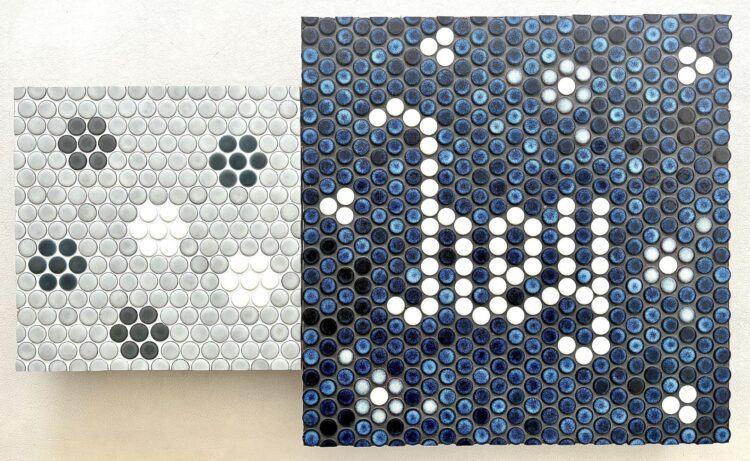
Consider the Balance of the Entire Space
Room Size and Ceiling Height
Tile size and installation pattern should also be considered in relation to the proportions of the room.
In a space with a high ceiling, vertical tile layouts can reinforce the height and draw the eye upward. In a compact interior, smaller tiles and more detailed patterns can introduce visual interest without requiring additional decorative elements.
At the same time, a large-format tile can create a clean and uninterrupted surface that helps a compact space feel visually open.
There is no universal formula. The most effective choice depends on the proportions of the room and the overall design concept.
Balance with Surrounding Materials
Tile rarely exists on its own. It usually shares the space with other materials, including wood, stone, metal, glass, plaster, and textiles.
A simple tile can gain character through an expressive installation pattern. Conversely, a tile with strong Shade Variation, distinctive glaze, or rich texture may benefit from a simpler layout that allows its material qualities to stand out.
The goal is to consider what role the tile should play within the overall material palette.
Should it quietly support the architecture, or should it become a focal point? Should the installation pattern create movement, or should the surface remain calm and understated?
These questions can be just as important as the tile itself.
The Design Possibilities of Japanese-Made Tile
Japanese-made tile offers additional possibilities through its combination of size, shape, glaze, color variation, and surface character.
Small-format tile and mosaic can create intricate patterns and detailed surfaces. Tiles with natural Shade Variation can introduce subtle changes in tone across an installation, while distinctive glazes can add depth as light moves across the surface.
These characteristics can be particularly effective when the installation pattern is chosen to complement rather than compete with the material.
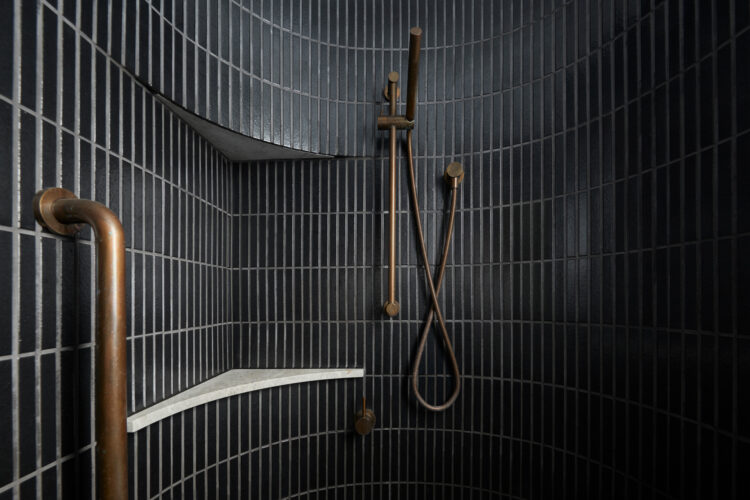
Photo provided by: Mittsu Japanese Tile
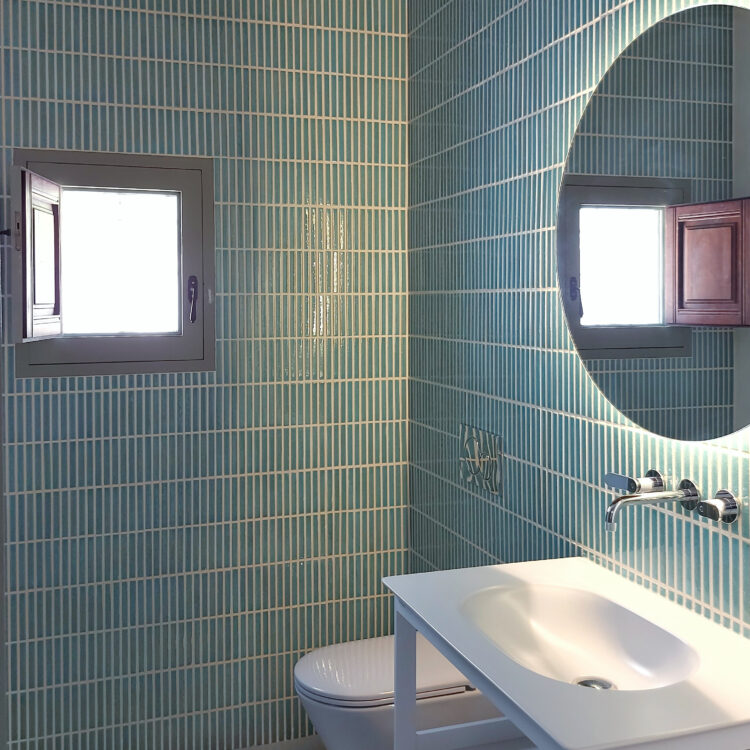
Photo provided by: Mittsu Japanese Tile
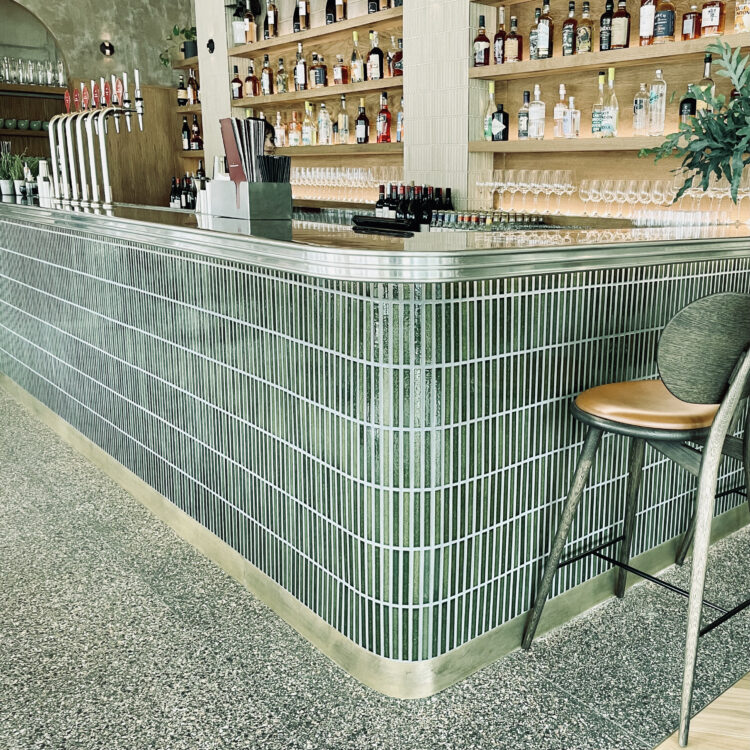
Photo provided by: Mittsu Japanese Tile
For example, a tile with rich glaze movement may benefit from a simple layout that allows its surface to be fully appreciated. Conversely, a relatively restrained tile can take on a stronger architectural character through a more expressive pattern.
This relationship between material character and installation design is one of the reasons Japanese tile can offer so much flexibility to architects and interior designers.
From hotels and restaurants to boutiques and residential interiors, the combination of tile size, shape, glaze, Shade Variation, and layout can be tailored to the character of each project.
Conclusion: Tile Layout Can Transform a Space
Tile size, shape, installation pattern, and grout may seem like separate decisions, but together they have a powerful influence on the finished space.
Size affects perceived scale. Shape influences character. Installation patterns create visual rhythm. Grout defines the relationship between individual tiles.
Rather than considering each element separately, designers can create a more cohesive result by looking at the space as a whole—its proportions, function, lighting, surrounding materials, and desired atmosphere.
The same tile can create a completely different interior simply by changing its orientation, layout, grout, or scale.
This is what makes tile more than a finishing material. When thoughtfully specified, tile becomes a tool for shaping the visual character and experience of a space.
Japanese-made tile offers particularly rich possibilities because the design does not end with the tile itself. Glaze, Shade Variation, texture, size, shape, and installation pattern can all work together to create an individual expression.
By considering not only which tile to use, but how it will be installed, architects and interior designers can bring out the full design potential of the material.
In the next article, we will take a closer look at the practical considerations of specifying Japanese tile for international projects, including specifications, samples, production, lead times, and logistics.