


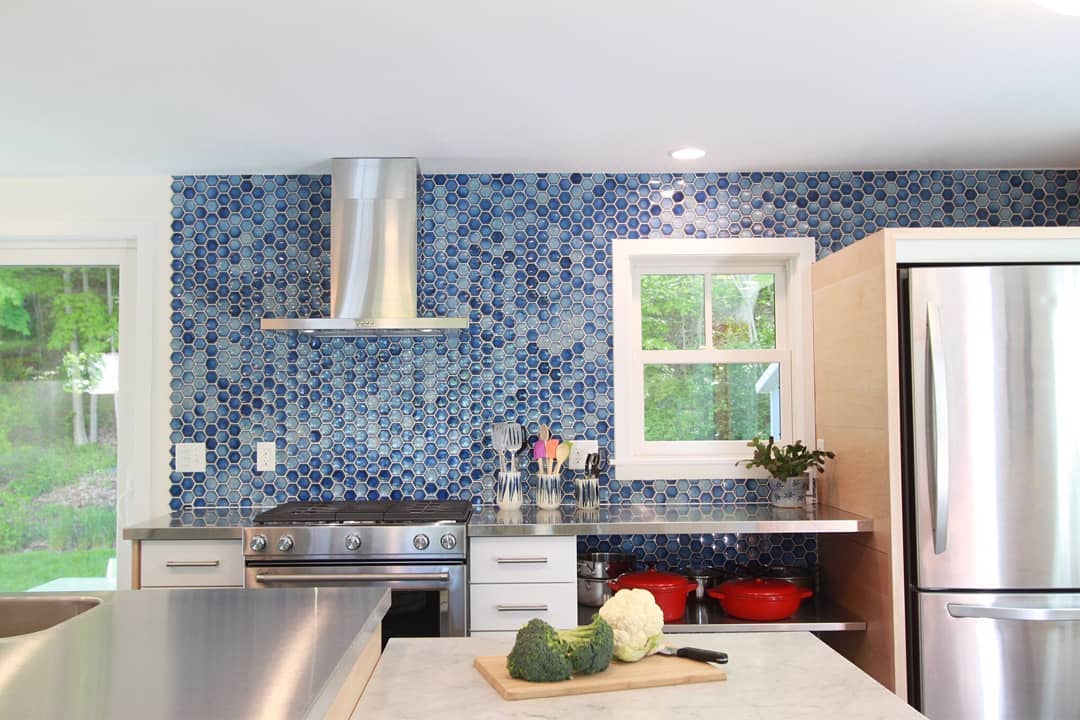
Choosing tile involves more than finding a color or finish that looks beautiful. The right tile should support the design concept while meeting the practical requirements of the space. A tile that works well as a decorative kitchen backsplash may not be suitable for a busy commercial floor, while a finish that looks subtle in a showroom may create a completely different effect under the lighting of a hotel lobby.
For architects and interior designers, successful tile selection begins with understanding how a space will be used, what atmosphere the design should create, and how the material will perform over time.
Japanese-made tile offers a wide range of colors, textures, glazes, and surface variations. By considering both aesthetic and functional requirements, designers can make informed choices that bring lasting value to residential and commercial interiors.
Start with the Intended Use of the Space
Before selecting a tile based on appearance, consider the environment in which it will be installed. Different spaces place different demands on tile, and the intended application should guide the selection process from the beginning.
Residential and Commercial Spaces Have Different Requirements
In residential interiors, tile is often selected to complement the character of a home. A kitchen backsplash may emphasize color and texture, while a bathroom may require careful consideration of moisture, cleaning, and slip resistance. In living areas, tile can introduce a distinctive material accent or create a visual connection between indoor and outdoor spaces.
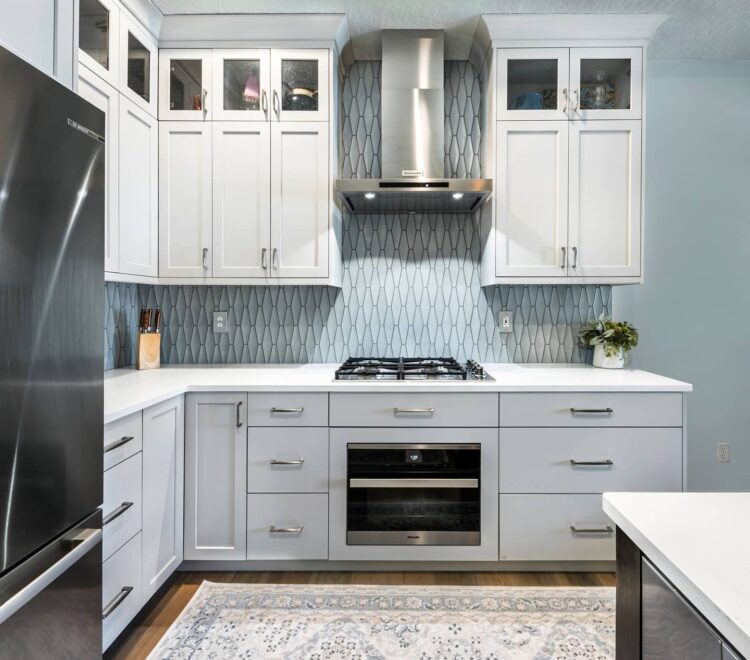 Photo provided by: @1stchoicekb Explore VER-4
Commercial environments may require additional considerations. Restaurants, hotels, retail stores, and other public spaces can experience heavier foot traffic and more frequent cleaning than a typical residence. Designers should consider expected traffic, exposure to water or spills, maintenance procedures, and the long-term appearance of the installation.
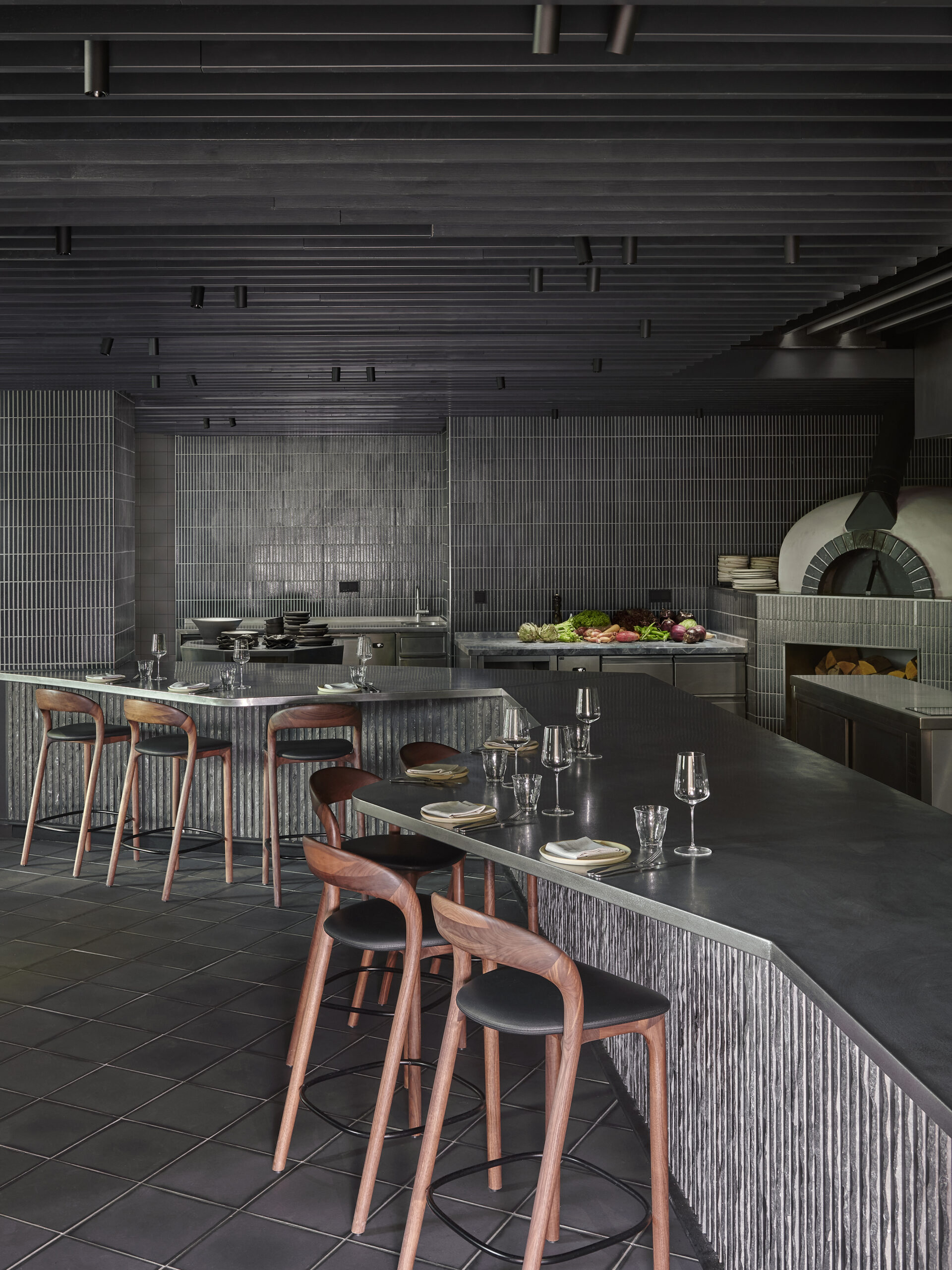 Photo provided by: Mittsu Japanese Tile Explore KB-M-3
The key is to evaluate each tile in relation to its intended use rather than assuming that one product will work equally well in every setting.
Wall Tile and Floor Tile Serve Different Roles
Wall and floor applications have different performance requirements. Wall tile can offer considerable freedom in color, gloss, texture, and decorative detail, depending on the environment and installation conditions.
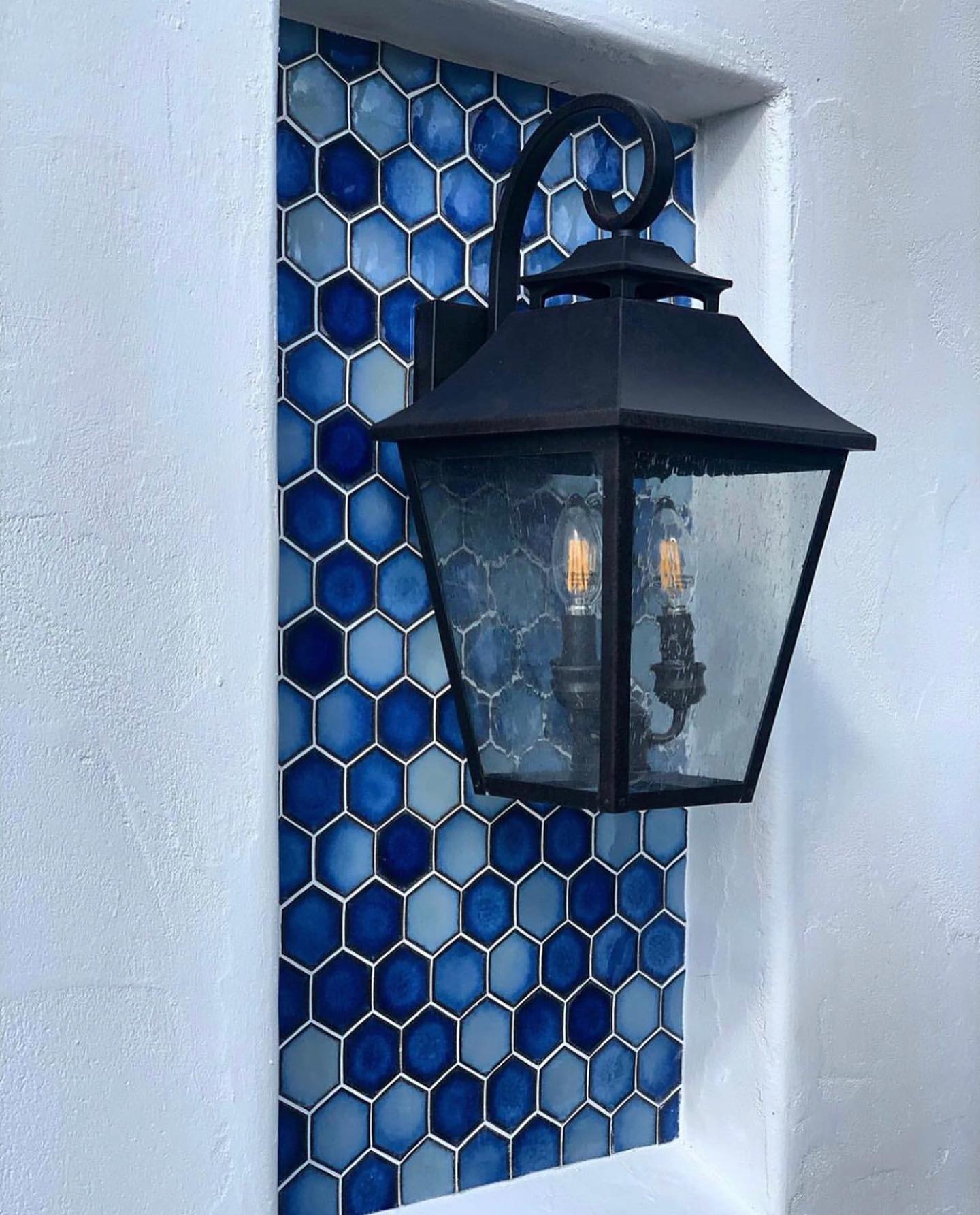 Photo provided by: @travistilesales Explore ODH-3
Floor tile, however, must be evaluated for suitability underfoot. Depending on the project, important considerations may include wear resistance, slip resistance, surface texture, and the conditions in which the tile will be used.
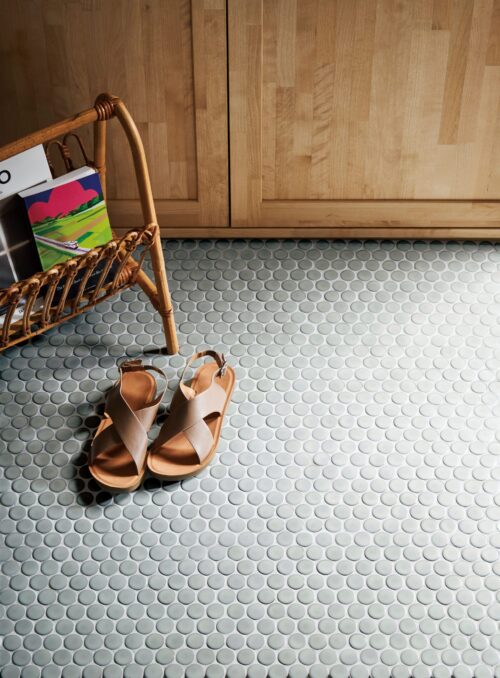 Explore CQ-12
A finish that creates a beautiful reflective surface on a wall may not be appropriate for a wet floor. Similarly, a textured surface that adds visual depth may require more attention to cleaning and maintenance.
Always confirm the manufacturer’s technical information and verify that the selected product is suitable for the intended application and applicable local requirements.
Choose Tile That Supports the Design Concept
Once the practical requirements are understood, the next step is to identify how the tile will contribute to the overall design. Tile can serve as a focal point, provide a quiet background, or connect different materials throughout an interior.
Use Color and Texture to Shape the Atmosphere
Color influences the overall mood of a space, but the appearance of tile also depends on its surface finish, texture, and interaction with light.
Matte finishes can create a calm, understated atmosphere, while glossy surfaces may reflect light and introduce brightness. Textured tile can add depth and tactile interest, even when its color is relatively subtle.
For example, a boutique hotel might use textured Japanese-made tile to create a distinctive reception area, while a restaurant might choose a combination of warm colors and varied surfaces to establish a welcoming atmosphere.
The goal is not simply to choose an attractive tile, but to understand the role it plays within the larger design concept.
Decide How Much Color Variation the Design Needs
Color consistency is another important consideration. Some designs call for a uniform surface with minimal variation, while others benefit from differences in tone and shade.
In ceramic tile, Shade Variation describes the degree to which individual tiles differ in color and appearance. Industry classifications commonly range from V1, indicating relatively uniform appearance, to V4, indicating substantial variation. These classifications describe visual variation, not a ranking of product quality.
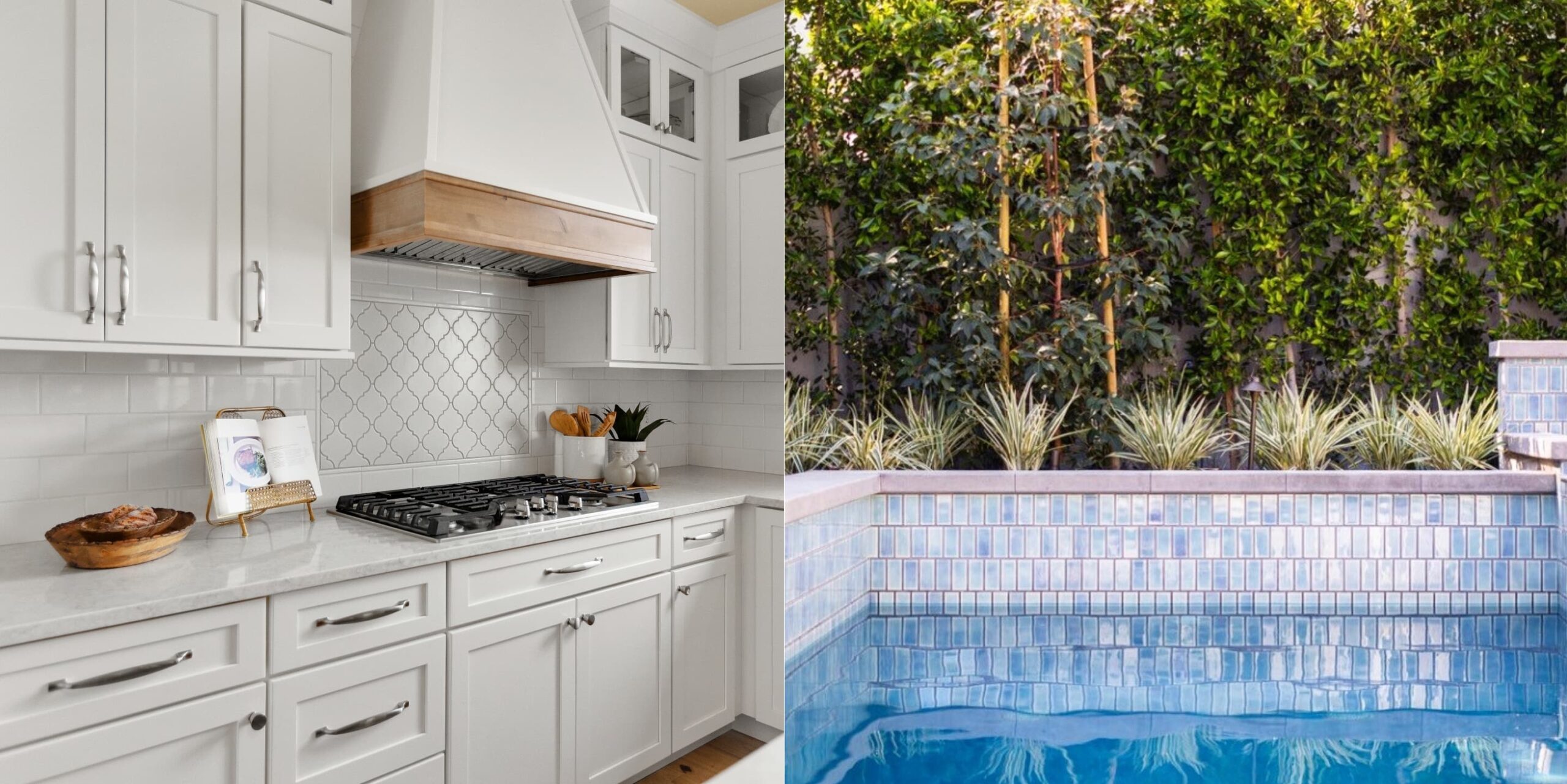 Photo provided by: @treasurevalleykitchen_bath @nptpoolproducts Explore ARB-1 & COS-8
Tiles with greater shade variation can introduce movement and depth across a wall or floor. They may be especially effective in spaces where designers want the material to feel natural, expressive, or less uniform.
Japanese-made tile can be particularly interesting in this context because glaze characteristics and firing conditions can contribute to subtle differences in color and surface appearance.
The appropriate level of variation depends on the design intent. A restrained, minimalist interior may call for a more consistent surface, while a hospitality or retail project may benefit from a more dynamic visual effect.
Neither approach is inherently better. The important thing is to understand how variation will influence the finished space.
Consider Performance and Long-Term Maintenance
A successful tile installation should look appropriate not only on the day it is completed, but also throughout its service life. Performance and maintenance should therefore be considered alongside color, texture, and design.
Confirm Suitability for the Installation Environment

Different tile products have different technical characteristics. Depending on the application, designers may need to review water absorption, wear resistance, slip resistance, chemical resistance, and suitability for interior, exterior, or wet-area use.
These factors should be assessed in relation to the actual project conditions. For example, a restaurant floor may face frequent foot traffic, spills, and regular cleaning, while an exterior installation may be exposed to changing temperatures and weather.
The relevant requirements can also vary by location and building type. For international projects, designers should confirm that the product meets applicable local codes, standards, and project specifications rather than relying on general assumptions about ceramic tile.
Think About Cleaning and Ongoing Care
Maintenance is an important part of material selection, particularly in commercial environments where appearance and operational efficiency both matter.
Surface texture, grout selection, the type of soiling expected, and the cleaning methods used can all influence ongoing maintenance. Some textured surfaces may require more attention than smoother finishes, while grout color can affect how visible everyday dirt or discoloration becomes.
Designers should consider who will maintain the space and how frequently cleaning will take place. Where necessary, consult the manufacturer for recommendations on suitable cleaning products and maintenance procedures.
Planning for maintenance early can help avoid unnecessary complications after installation and support the long-term appearance of the design.
Conclusion: Select Tile by Considering the Entire Space
The best tile choice comes from balancing the needs of the installation with the intended visual effect. Design, performance, maintenance, lighting, and surrounding materials should all inform the final decision.
Japanese-made tile offers designers a wide range of possibilities through its glaze characteristics, surface finishes, textures, and Shade Variation. These qualities can create subtle backgrounds or distinctive focal points, depending on how the material is specified and installed.
Rather than choosing tile based on appearance alone, consider what the material needs to accomplish within the space. Where will it be installed? How will people use the area? What atmosphere should it create? How will it interact with light and other finishes? And what level of performance and maintenance will the project require?
By answering these questions early, architects and interior designers can select tile that supports both the design vision and the practical demands of the project.
Ultimately, successful tile selection is about more than choosing a beautiful material. It is about understanding how that material will function, look, and contribute to the experience of a space over time.