


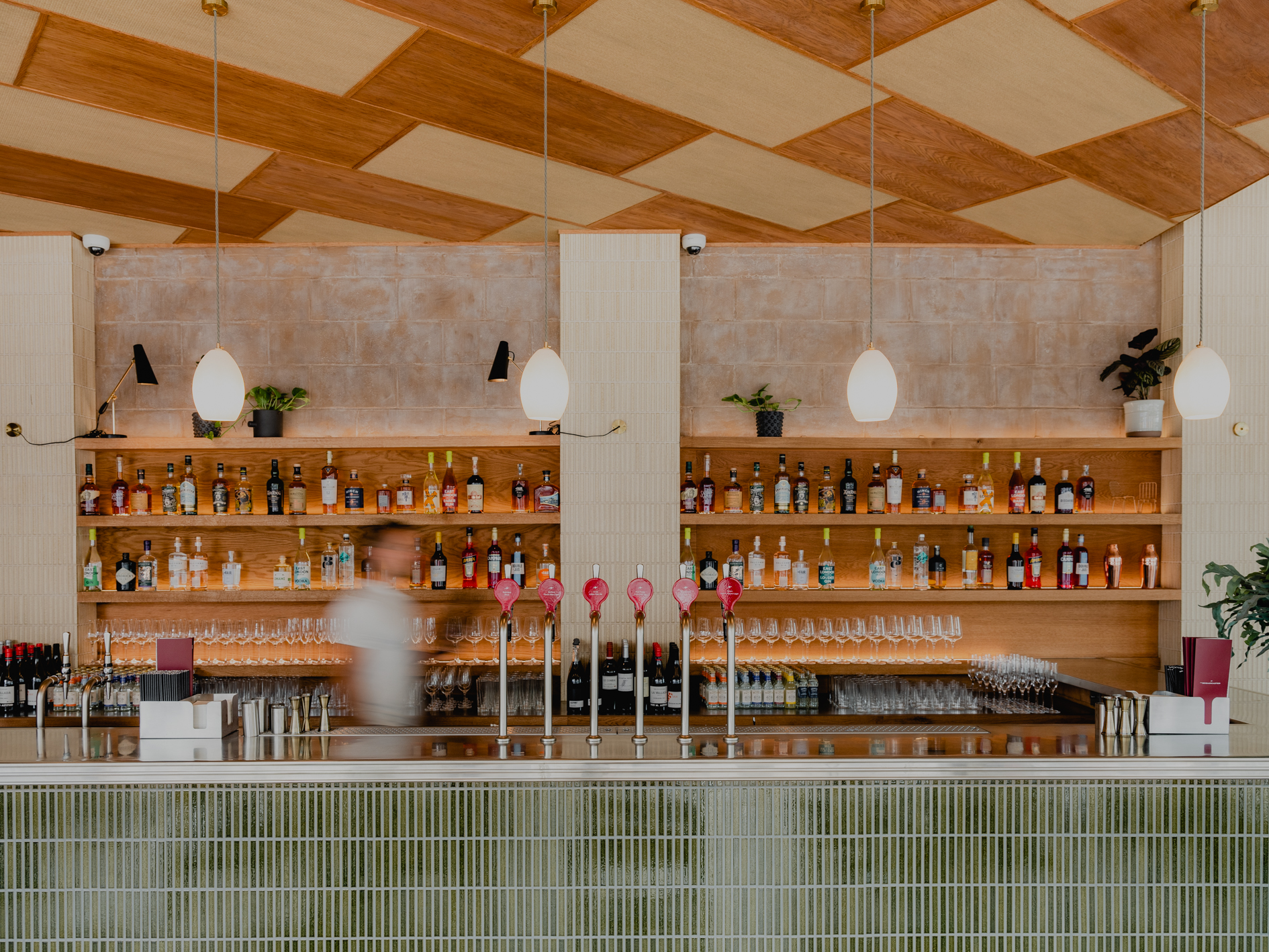
In hospitality and commercial interiors, material selection plays an important role in shaping the character of a space. From hotel lobbies and restaurants to boutique retail stores, tile can introduce color, texture, and visual interest while supporting the overall design concept.
Japanese-made tile offers a wide range of possibilities, including distinctive glaze effects, subtle color variation, and carefully developed surface finishes. These qualities can help designers create interiors that feel considered and memorable.
Successful tile selection, however, requires more than choosing an attractive product. Architects and interior designers need to consider how tile relates to the surrounding materials, the intended atmosphere, and the practical requirements of the space.
In this article, we explore how Japanese tile can be used in hospitality and commercial interiors to balance design, functionality, and long-term performance.
Creating a Refined Atmosphere in Hotels
Hotels offer many opportunities to use tile as a defining design element. From reception areas to guest bathrooms, tile can help establish a consistent visual identity throughout a property.
Making an Impression in Lobbies and Reception Areas
A hotel lobby is often the first space guests experience. Tile can create a focal point on a feature wall, reception counter, or architectural detail without overwhelming the overall design.
Tiles in muted, earthy tones can contribute to a calm and sophisticated atmosphere. Products with expressive glazes or subtle Shade Variation can introduce depth and visual movement, particularly when combined with carefully positioned lighting.
Rather than using decorative materials everywhere, designers can focus on selected areas where tile will have the greatest impact. This approach allows the material to stand out while maintaining a balanced interior.
Bringing Character to Bathrooms
Hotel bathrooms and powder rooms provide another opportunity to explore the relationship between tile, light, and texture.
Matte finishes can create a quiet, understated look, while glossy surfaces reflect light and add brightness. Textured tile can introduce depth, even when the color palette is relatively restrained.
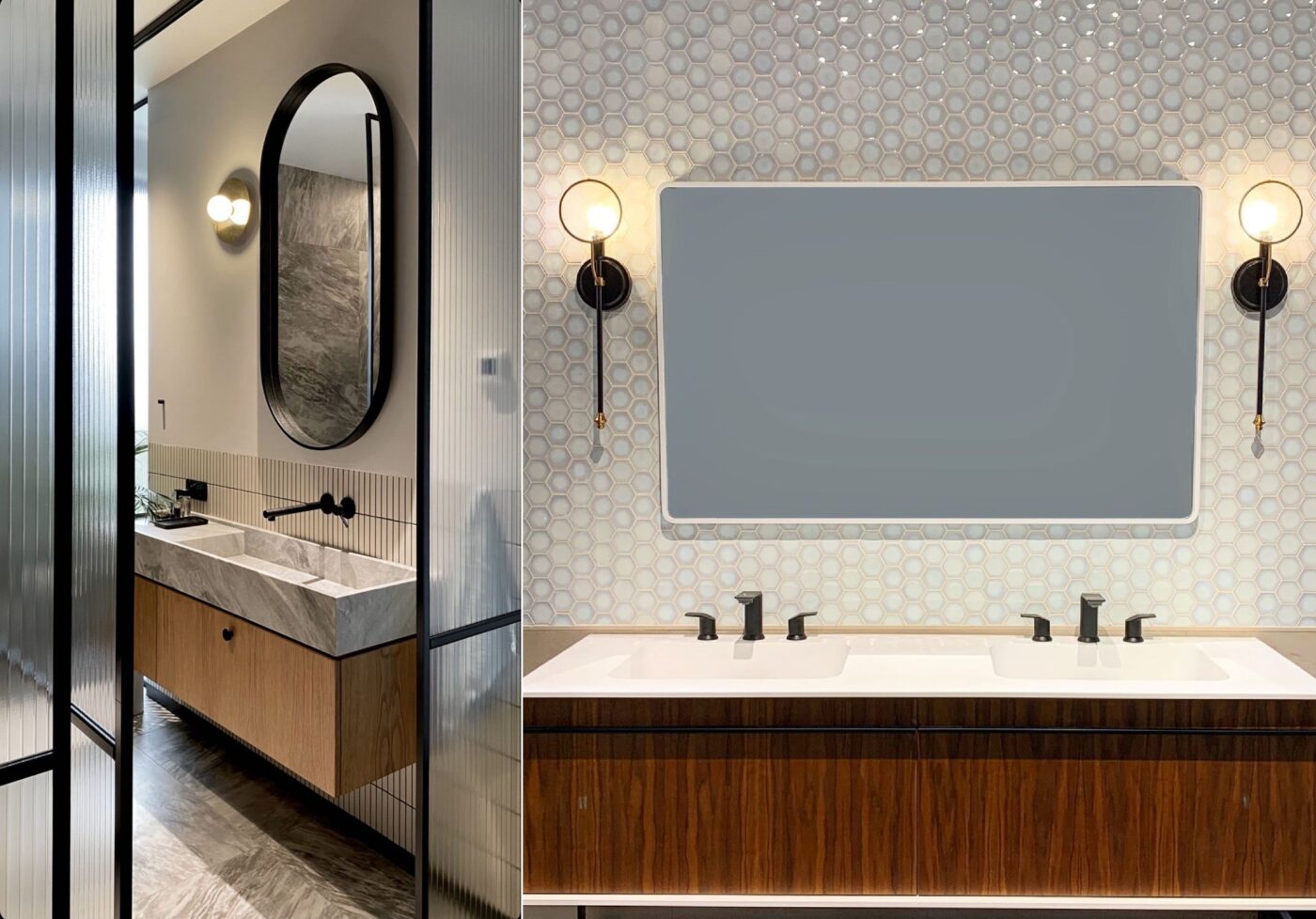 Photo provided by: Mittsu Japanese tile & @tileamerica Explore KB-M-71 & ODH-1
The choice should reflect both the intended atmosphere and the installation conditions. Designers need to confirm that the selected product is suitable for the specific application, particularly in wet areas, and consider cleaning and maintenance requirements.
Adding Personality to Restaurants and Bars
Restaurants and bars often use materials to establish a distinctive atmosphere. Tile can support that identity through feature walls, bar fronts, backsplashes, and other visible surfaces.
Using Tile as a Design Feature
In an upscale restaurant or intimate bar, deep colors and expressive glaze effects can create a sense of depth and sophistication. In a casual café, smaller-format tiles or carefully arranged color combinations may introduce a more relaxed and lively character.
The scale of the installation is important. A small tiled area can create a focused accent, while a large wall or counter can strongly influence the entire interior.
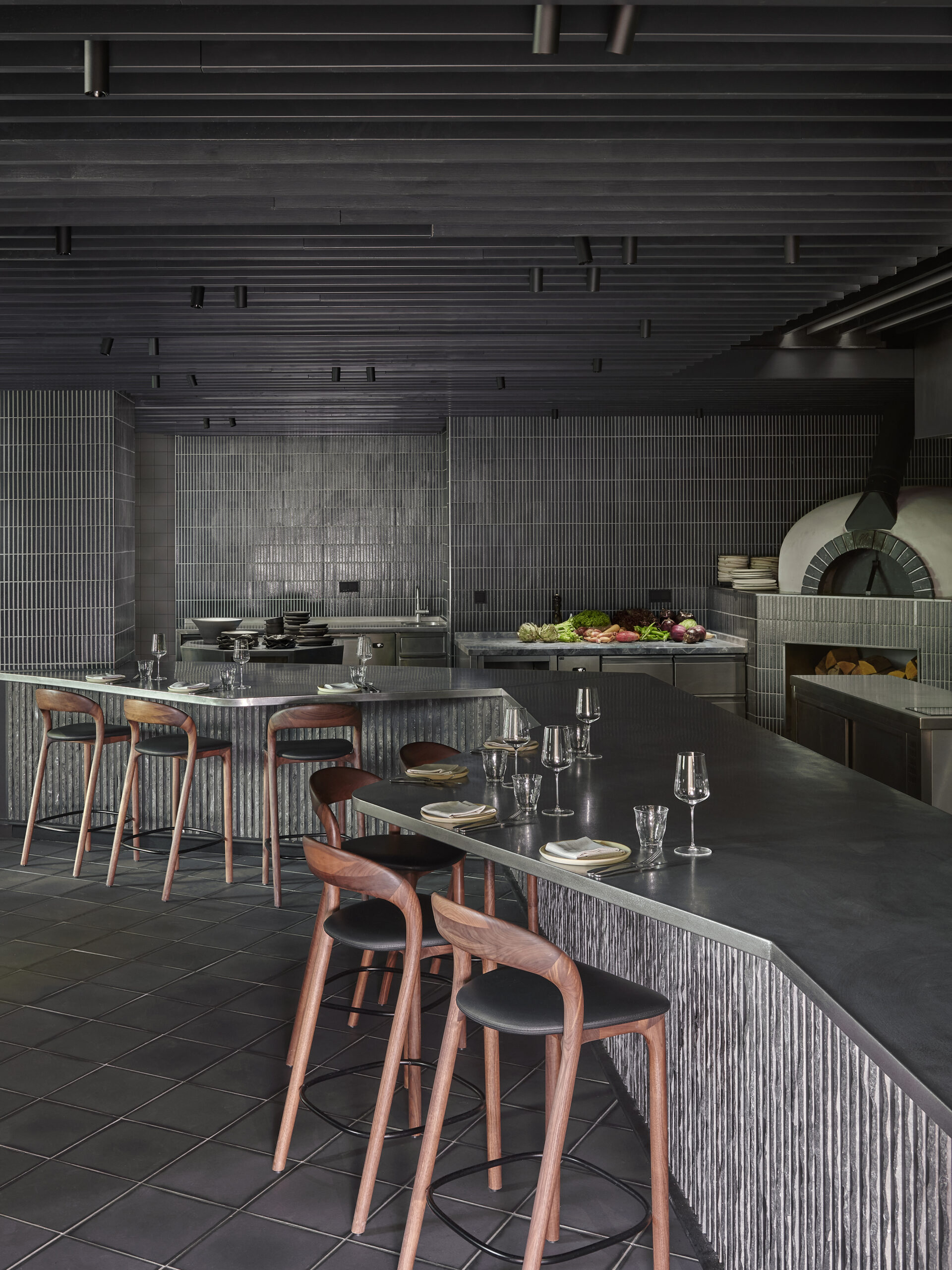 Photo provided by: Mittsu Japanese Tile Explore KB-M-3
Designers should consider how the tile works with furniture, lighting, and other finishes. Warm wood can soften the appearance of a glazed surface, while metal details may create a sharper, more contemporary contrast.
Japanese-made tile can be particularly effective when a project calls for material character rather than a purely uniform finish. Subtle differences in glaze and color can make a surface feel more nuanced without requiring an elaborate pattern.
Considering Lighting and Surface Finish
Lighting can change how tile appears. Glossy glazes reflect light, while textured surfaces create highlights and shadows that shift with the viewing angle.
In restaurants and bars, where lighting helps define the atmosphere, this relationship deserves attention during the design process. A tile that looks understated under bright showroom lighting may appear more dramatic under warm, directional lighting.
Reviewing samples under conditions similar to those planned for the finished space can help designers anticipate the result and choose a surface that supports the intended mood.
Expressing Brand Identity in Retail Spaces
In boutiques and retail interiors, tile can contribute to the identity of a brand and influence how merchandise is presented. The key is to determine whether tile should provide a quiet background or become part of the visual experience.
Choosing Tile to Complement the Merchandise
A restrained tile color and finish can help products remain the focus of a retail space. This may be appropriate for minimalist boutiques or stores where a clean, consistent background is important.
Alternatively, distinctive glaze effects, natural color variation, or unusual shapes can help create a more expressive environment. A concept store, for example, may use a feature wall to reinforce its creative identity and make the space more memorable.
Neither approach is inherently better. The right choice depends on the brand concept, the products on display, and the experience the designer wants to create.
Combining Tile with Other Materials
Tile can work effectively with wood, stone, metal, and glass. These combinations allow designers to introduce contrast while maintaining a cohesive material palette.
Wood can add warmth to ceramic surfaces, while metal can create a crisp, contemporary effect. Glass can introduce transparency and lightness, particularly when paired with textured or richly colored tile.
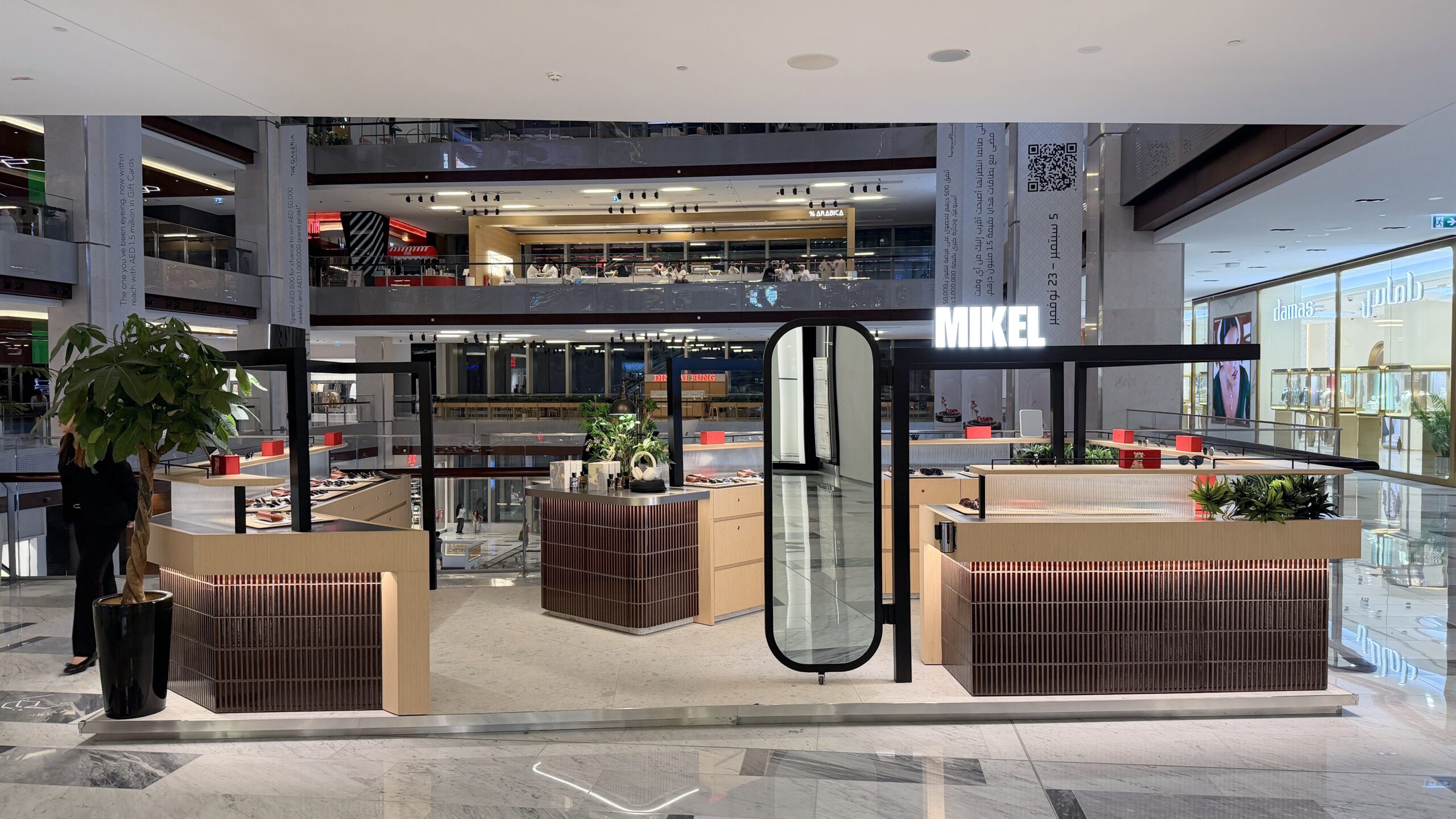 Photo provided by: Mittsu Japanese Tile Explore KB-M-82
The aim is not to make every material look alike, but to understand how their differences can complement one another. Japanese-made tile can serve as a subtle connecting element or become a focal point, depending on its color, finish, and placement.
Balancing Design and Performance
In commercial interiors, tile must meet practical requirements as well as aesthetic goals. A successful specification considers how the material will be used, maintained, and experienced over time.
Selecting Tile for the Intended Application
The requirements for a restaurant floor may differ considerably from those for a decorative hotel wall. Depending on the application, designers may need to evaluate slip resistance, wear resistance, water absorption, and suitability for interior, exterior, or wet-area use.
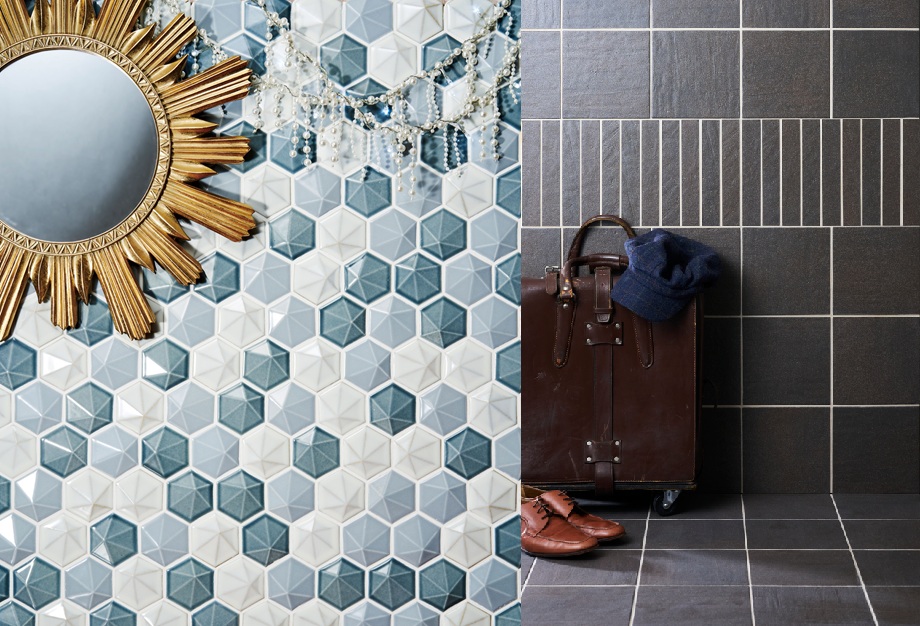 Explore
These characteristics should be assessed against the actual project conditions. Designers should consult manufacturer specifications and confirm compliance with applicable local codes and project requirements rather than relying on appearance alone.
Wall and floor applications should also be considered separately, as products suitable for one use may not be appropriate for another.
Planning for Maintenance
Maintenance is especially important in hotels, restaurants, and retail spaces, where surfaces may experience frequent use and regular cleaning.
Surface texture, grout selection, and exposure to spills or dirt can influence cleaning requirements. Designers should consider how the space will be maintained and consult the manufacturer for appropriate cleaning recommendations when necessary.
Addressing these issues during specification helps reduce avoidable complications after installation and supports the long-term appearance of the space.
Evaluating Samples in Context
A single tile sample rarely shows the full appearance of an installed surface. When possible, designers should review several pieces together, particularly for products with noticeable Shade Variation or distinctive glaze effects.
It is also important to consider grout color, joint width, and installation pattern. A straight-set layout can emphasize clean lines, while a running-bond or herringbone pattern introduces a different visual rhythm.
Finally, review the tile alongside other specified materials and under realistic lighting conditions. This helps ensure that the finished composition works as intended rather than judging each material in isolation.
Conclusion: Using Japanese Tile to Shape Memorable Spaces
In hotels, restaurants, bars, and retail interiors, tile can do much more than provide a finished surface. Color, glaze, texture, and Shade Variation can influence the atmosphere of a space, reinforce a brand identity, and create visual connections between materials.
Japanese-made tile offers designers a broad range of possibilities, from understated surfaces that complement a restrained palette to expressive finishes that become focal points.
The most successful applications begin with a clear understanding of the design concept and the practical demands of the project. By considering the intended use, surrounding materials, lighting, and maintenance requirements together, architects and interior designers can select tile that supports both the visual experience and the long-term needs of a space.
Ultimately, thoughtful tile selection is about understanding how a material can contribute to the character and function of an interior—not simply how it looks on its own.