


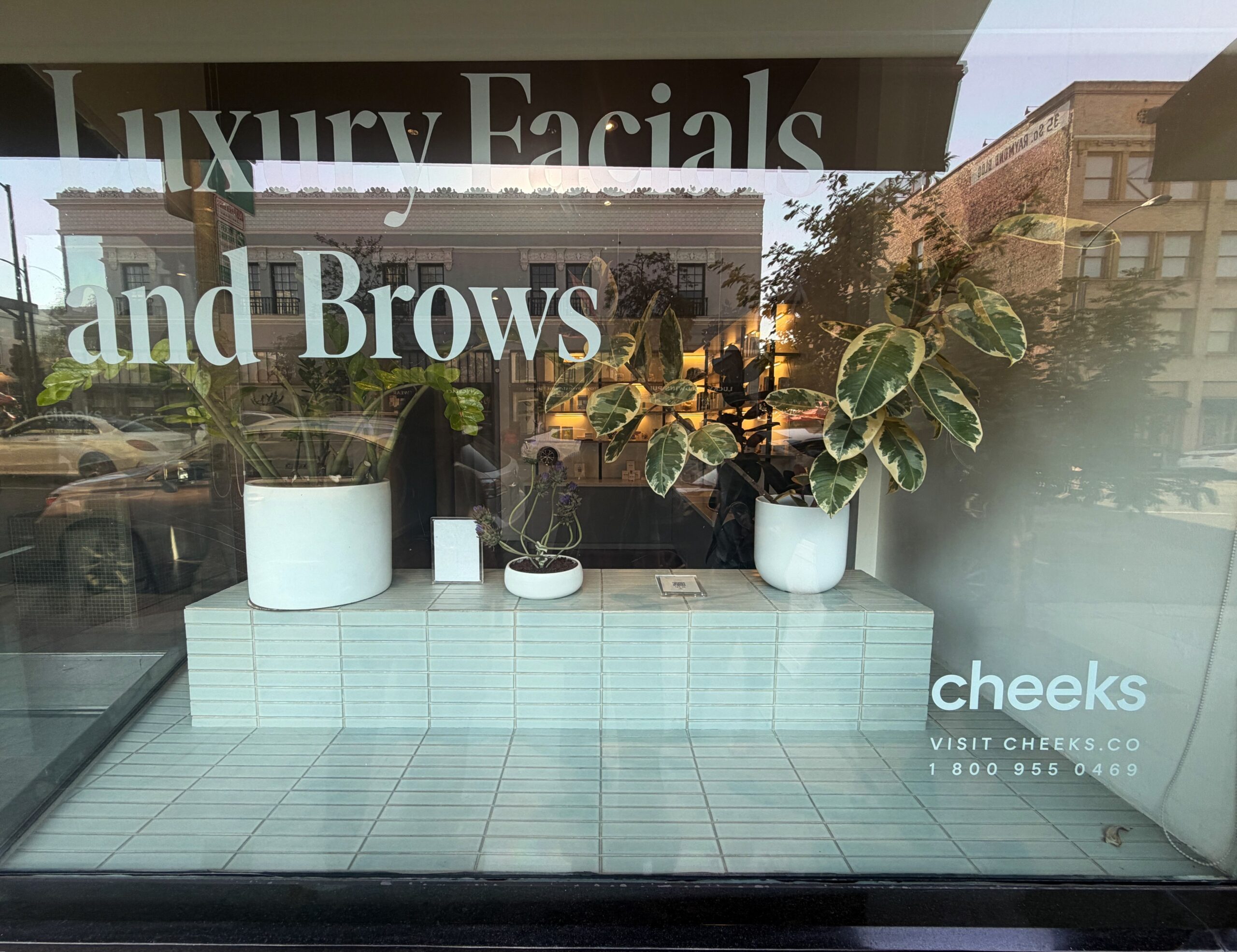
A well-designed accent wall can transform the atmosphere of a room. It can draw attention to a key feature, add depth to a simple interior, or create a memorable backdrop for furniture, artwork, and lighting. Tile is particularly versatile because it combines color, texture, shape, and pattern in a single material.
Tile accent walls work in a wide range of settings, from hotel reception areas and restaurant dining rooms to boutique displays and residential living spaces. The goal is not simply to make one wall stand out, but to give it a clear purpose within the overall design.
Here are the key considerations for creating a tile accent wall that feels intentional, balanced, and appropriate for its surroundings.
Define the Role of the Accent Wall
Create a focal point
An accent wall can guide attention toward a specific area or activity. In a hotel lobby, tile behind the reception desk can help define the arrival point. In a restaurant, it can distinguish a bar area or create a backdrop for dining. In a retail space, a tiled wall can frame merchandise and reinforce the brand’s visual identity.
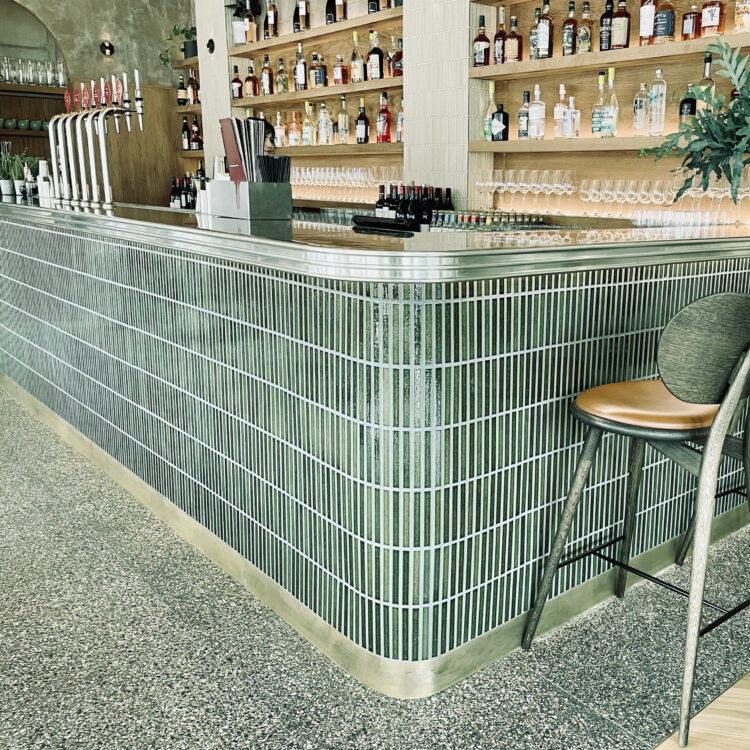 Photo provided by: Mittsu Japanese tile & @tileamerica Explore KB-M-3
Before selecting a tile, consider what the wall should accomplish. Should it welcome visitors, create an intimate atmosphere, highlight a product display, or serve as a memorable design feature?
The wall’s location also matters. A surface viewed from the entrance may benefit from a strong, easily recognized composition. A wall experienced at close range offers more opportunity for intricate patterns, subtle glaze details, and tactile textures.
Balance the wall with the surrounding materials
A successful accent wall feels connected to the rest of the interior. Consider its relationship with flooring, furniture, cabinetry, lighting, and architectural details.
If the room already contains bold patterns or dramatic materials, a restrained tile can provide balance. In a simpler interior, a distinctive color, shape, or surface finish can introduce character.
Contrast does not have to come from color alone. A textured tile against smooth plaster, a glossy surface beside matte cabinetry, or a geometric pattern within a minimal interior can create visual interest without overwhelming the space.
The key is to establish a clear visual hierarchy. When every element competes for attention, the accent wall can lose its impact.
Choose Color, Texture, and Surface Character
Use color to establish the mood
Color influences how a space feels and how the accent wall relates to nearby materials. Soft neutrals can create a calm backdrop, while saturated or deep colors can make a wall more dramatic. Warm tones may complement wood and brass, while cooler tones can work well with concrete, glass, and metal.
These combinations are starting points rather than fixed rules. The right choice depends on the design concept, surrounding finishes, and lighting conditions.
Whenever possible, review physical tile samples alongside the actual flooring, furniture, and other materials planned for the project. A tile that looks balanced on its own may appear too bright, too dark, or too cool when placed next to another finish.
Let texture and glaze add depth
Surface character can make an accent wall interesting even when the color palette is restrained. Matte finishes tend to create a softer appearance, while glossy glazes reflect light and can introduce subtle movement across the surface. Relief and texture add dimension through highlights and shadows.
Japanese-made tiles offer a wide range of surface expressions, from understated finishes to distinctive glazes with nuanced variations. Depending on the product, differences in tone, gloss, or texture can contribute to the intended visual character.
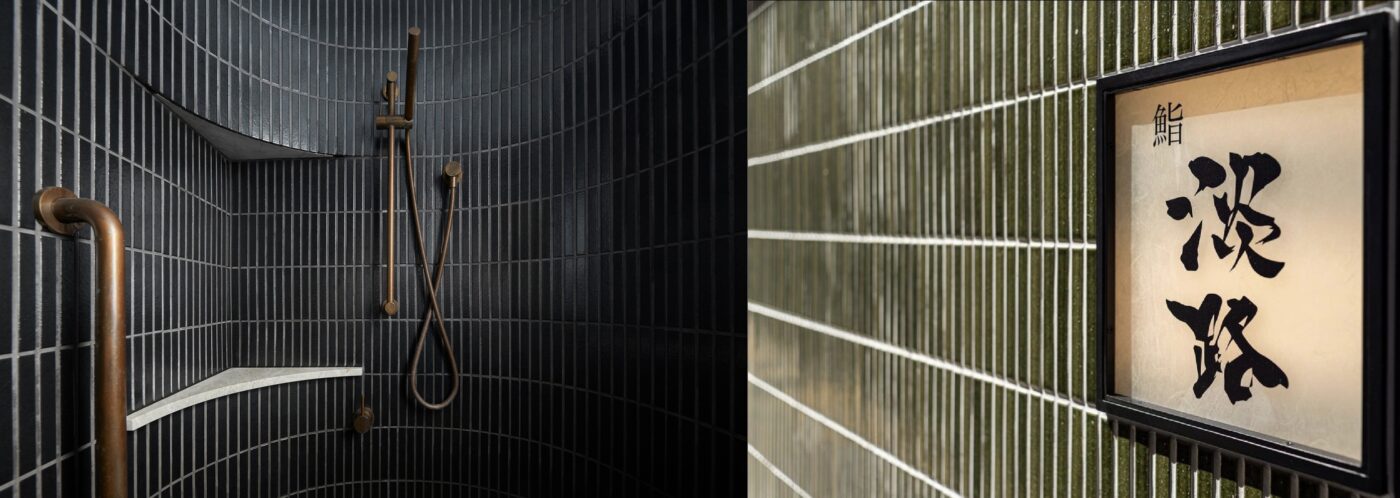
Photo provided by: Mittsu Japanese tile & @tileamerica Explore KB-M-1 & KB-M-3
The important consideration is how the surface supports the design. A highly reflective tile may be effective as a focal point, while a quieter finish may better complement a space with elaborate furniture or lighting.
For a deeper look at how glaze and finish influence a space, see our related article on how glaze, finish, and texture shape the look of a space.
Decide how much variation the wall needs
Some tiles are designed to create a consistent, uniform appearance. Others have more noticeable differences from one piece to another. A uniform surface can support a clean, controlled composition, while natural variation can introduce movement and an organic quality.
Neither approach is inherently better. The right choice depends on the intended effect and the project’s tolerance for variation.
For tiles with noticeable shade variation, review multiple pieces together rather than relying on a single sample. Consider the overall distribution of color and how it will look across the full wall. Our guide to understanding tile shade variation explores this topic in more detail.
Create Visual Rhythm with Shape, Layout, and Grout
Select a shape that suits the space
Square and rectangular tiles can create anything from a quiet grid to a strong linear composition. Hexagonal and other geometric shapes introduce a more distinctive pattern, while small-format tiles can create a detailed surface with a strong sense of rhythm.
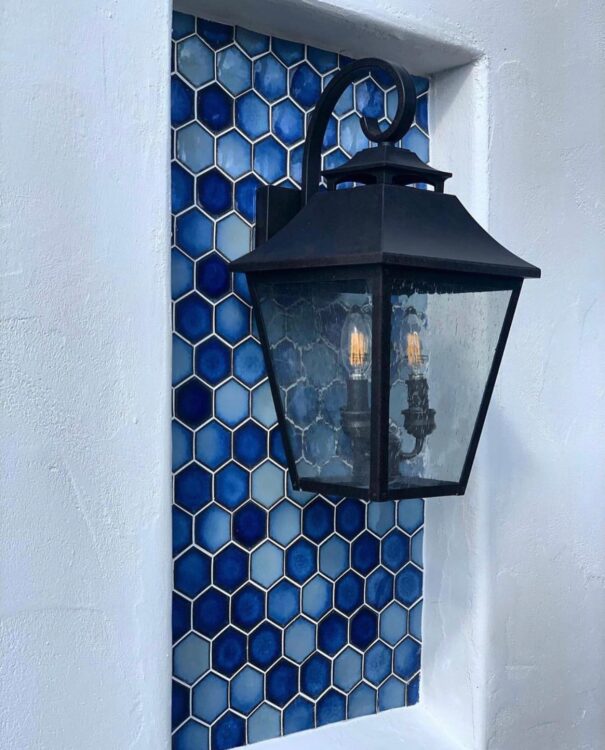
Photo provided by: Mittsu Japanese tile & @travistilesales Explore ODH-3
Scale is important. Small tiles may add richness to a compact bar or niche, but they can also make a large wall feel busy. Larger tiles can create a calmer appearance, although their proportions and joint placement still require careful planning.
Consider the dimensions of the wall, the distance from which it will be viewed, and the locations of corners, openings, and adjoining surfaces. A tile should work with the architecture, not just look attractive as an individual piece.
Use installation patterns intentionally
The same tile can create very different effects depending on its orientation and layout. A horizontal arrangement can emphasize width, while a vertical layout may draw the eye upward. A straight-set grid often feels orderly and architectural; a running-bond pattern introduces a different rhythm.
Choose a pattern that supports the design concept and the proportions of the wall. Also consider how the layout will meet counters, shelves, corners, and adjacent walls. Planning these transitions early helps the finished installation feel deliberate rather than improvised.
For more examples of how tile size and installation patterns influence a space, see our article on how tile size, shape, and installation patterns shape a space.
Treat grout as part of the design
Grout color and joint width can change the overall appearance of a tiled wall. A grout color close to the tile can soften the grid and create a more continuous surface. Contrasting grout emphasizes individual pieces and makes the pattern more prominent.
The choice should reflect both the aesthetic and practical requirements of the project. Confirm the appropriate joint width and grout specification for the selected tile with the manufacturer and installer.
Plan for Lighting and Installation
Evaluate the wall under realistic lighting
Lighting affects the perceived color, gloss, and texture of tile. Daylight changes throughout the day, while artificial lighting varies in color temperature, intensity, and direction.
Directional or grazing light—light that travels across a surface at a shallow angle—can emphasize relief and texture. This can create dramatic depth, but it may also reveal unevenness or differences in the finished surface.
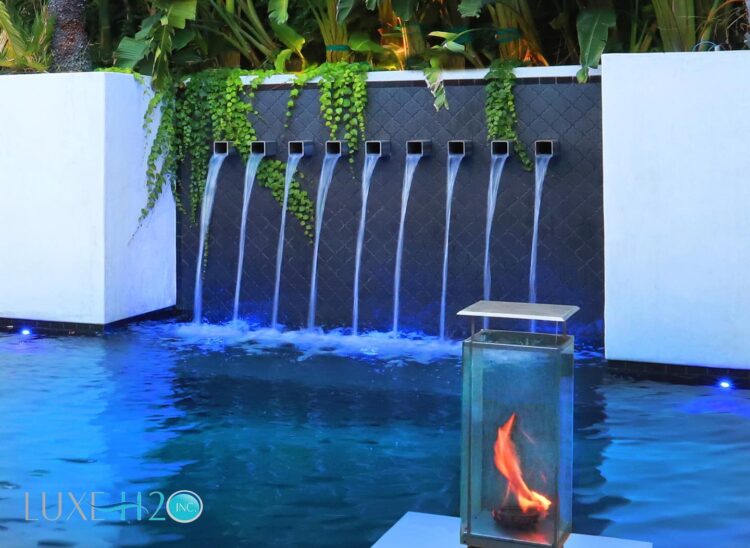
Photo provided by: Mittsu Japanese tile & @poolside_gardens Explore ARB-5
If the design depends on a strong lighting effect, coordinate with the lighting designer and installer early in the process. Whenever possible, review samples in the actual space or under lighting that closely matches the final conditions.
For a more detailed explanation, see our guide to how lighting changes the look of tile.
Confirm technical and maintenance requirements
An accent wall must be suitable for its intended application. Confirm that the tile is appropriate for the location and that the substrate, setting materials, grout, and installation method meet the project’s requirements.
Maintenance should also inform the selection. Deep textures and grout joints may require different cleaning routines depending on the location and type of use. In hospitality and retail environments, accessibility for cleaning and long-term upkeep are especially important.
Before ordering, coordinate with the supplier and installer to confirm dimensions, quantities, expected shade variation, lead times, and layout details. These checks help protect the design intent and reduce avoidable surprises during installation.
Conclusion: Make the Accent Wall Part of the Whole Design
A successful tile accent wall does more than attract attention. It supports the purpose of the space, complements surrounding materials, and creates a visual experience that feels intentional.
Color establishes mood, texture adds depth, and tile shape, layout, and grout create rhythm. When these elements work together—and are supported by thoughtful lighting and installation planning—the wall becomes an integral part of the interior rather than a decorative feature added at the end.
Japanese-made tiles can offer a wide range of surface character, from subtle finishes to expressive glazes and natural variation. The best choice is the one that supports the project’s design concept and works in harmony with the space around it.