


Have you ever noticed that tiles from the same collection and color can vary slightly from one piece to another? These subtle differences in color and tone are known as Shade Variation, and they can play an important role in giving tile its character and visual depth.
Why does shade variation occur? And how can these differences enhance the design of an interior space? In this article, we explore the basics of Shade Variation and how architects and designers can use it as an intentional design element.
What Is Shade Variation?
Understanding Color Differences from Tile to Tile
Shade Variation refers to the natural differences in color, tone, and intensity that can occur among tiles produced in the same collection and color. In the tile industry, the degree of variation is commonly described using four categories: V1, V2, V3, and V4.
- V1 – Uniform
Very little variation from tile to tile, resulting in a highly consistent overall appearance. - V2 – Slight Variation
Some variation in color and tone, while maintaining a relatively uniform appearance. - V3 – Moderate Variation
Noticeable differences in color and tone from one tile to another, creating a more dynamic and varied surface when installed. - V4 – Substantial Variation
Significant variation in color and tone, with individual tiles potentially appearing distinctly different from one another.
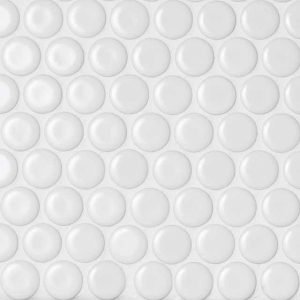
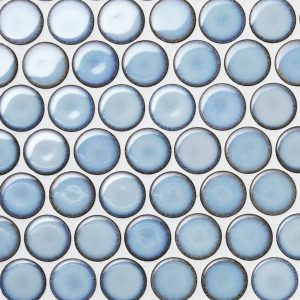
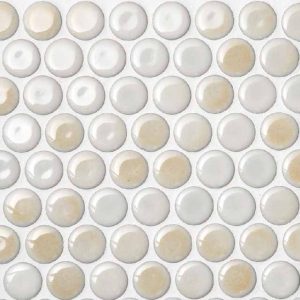
One important point to understand is that V1 does not mean “better quality” than V4. The V1–V4 classification primarily describes the degree of color variation. It does not, by itself, indicate the quality or performance of a tile. For a clean, highly controlled minimalist interior, V1 or V2 may be the right choice. For a space that calls for natural texture, depth, or a more handcrafted aesthetic, V3 or V4 can become an important part of the design.
In other words, Shade Variation should not simply be judged as “good” or “bad.” It should be considered in relation to the overall design intent of the space.
Why One Sample May Not Tell the Whole Story
Another important consideration when evaluating Shade Variation is that a single tile sample may not fully represent the appearance of the finished surface.
When looking at just one tile, a designer may think, “This is darker than I expected,” or “The color looks slightly different from the image.” But when multiple tiles are placed together, the relationship between lighter and darker pieces creates a much richer visual effect. This is particularly important with tiles that have moderate or substantial shade variation.
A tile is not a material that is meant to be viewed only one piece at a time. Multiple pieces come together to create a wall, floor, backsplash, or other architectural surface. The way those individual tiles interact with one another is an essential part of their beauty.
Why Do Japanese Tiles Have Shade Variation?
Natural Variation Created by Glaze and Firing
To understand Shade Variation in Japanese tiles, it is helpful to look at two fundamental elements of ceramic tile production: glaze and firing.
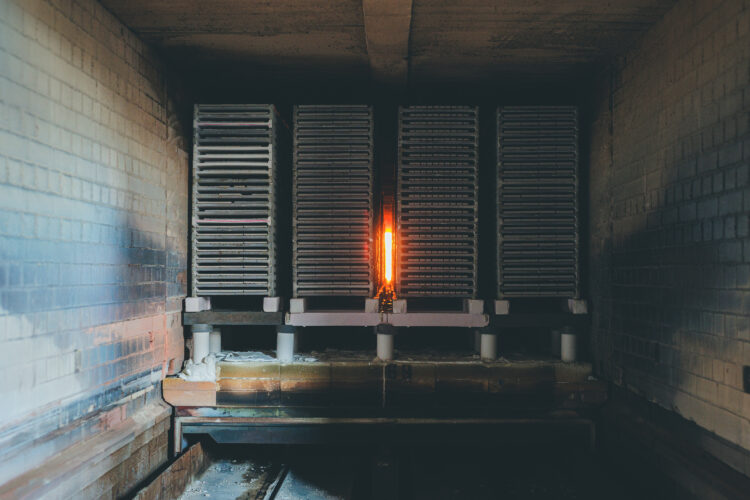
As discussed in our previous article, glaze does much more than simply determine a tile’s color. It can influence gloss, translucency, depth, surface texture, and the way light interacts with the tile.
Once the glaze is applied, the tile is fired at high temperatures in a kiln. During firing, a variety of conditions can affect the final appearance of the tile. The position of the tile within the kiln, temperature differences, the movement of heat and flame, firing time, and the characteristics of the glaze itself can all contribute to subtle differences in color and surface appearance.
Even when the same glaze is used throughout a production run, the firing process can create variations in tone and intensity. This is one of the defining characteristics of a fired ceramic material. Unlike a surface that is simply coated with a uniform color, ceramic tile undergoes a transformation through heat, allowing subtle variations to emerge as part of the process.
The Character of Fired Materials
Japan has a long and distinctive history of ceramic craftsmanship.
Across different regions, unique combinations of clay, glaze, and firing techniques have developed over generations. Craftspeople have learned to work with the complex and sometimes unpredictable changes that occur inside a kiln. As a result, Japanese craftsmanship has often valued not only precision and consistency, but also the natural character that can emerge from materials and firing.
Of course, not all Japanese tiles have a high degree of Shade Variation.
The degree of variation differs from product to product, and modern Japanese tile manufacturing also places great importance on precision, consistency, and quality control.
What makes certain Japanese tiles particularly appealing is the balance between these two qualities: controlled manufacturing and natural variation. The result is a material that combines the reliability expected of a modern architectural product with the subtle individuality associated with a fired ceramic surface.
When Color Variation Becomes Part of the Design
Seeing the Beauty Across the Entire Surface
When selecting a tile with Shade Variation, one of the most important things to remember is not to judge the tile solely by the color of an individual piece. Imagine, for example, a soft green tile.
If every tile were exactly the same shade of green, the finished wall would have a highly consistent and orderly appearance. But imagine a wall where some tiles are slightly lighter, others have a hint of gray, and others have a deeper, richer tone.

The differences between the tiles can create depth and movement across the surface. As light moves across the wall, these subtle differences can become even more noticeable. This type of visual richness can be difficult to reproduce with paint or a perfectly uniform printed surface.
Shade Variation can be especially effective when combined with other materials that have their own natural character, such as wood, stone, metal, plaster, or other textured finishes. Rather than competing with these materials, a varied ceramic surface can help create a more layered and cohesive interior.
How Light Changes the Appearance
The appeal of Shade Variation is not limited to color itself.
When a tile has a glazed or textured surface, the way it reflects light can change depending on the direction and intensity of the light source. A tile may appear soft and subtle in natural daylight, then take on greater depth under warm evening lighting. This means that a tile with Shade Variation is not simply a collection of different colors.
It is a material whose appearance can change through the interaction of color, surface, light, and space.
This characteristic can be particularly effective in hospitality and commercial environments, where the atmosphere of a space changes throughout the day. Hotels, restaurants, bars, boutiques, spas, and high-end residences can all benefit from materials that reveal different qualities under different lighting conditions.
The Appeal of Imperfection
Contemporary architecture and interior design have embraced minimalism, but minimalism does not necessarily mean that every surface must be perfectly uniform.
There is also growing appreciation for spaces that incorporate tactile qualities, natural textures, warmth, and subtle irregularity. Rather than eliminating every variation, designers can use the natural character of materials as part of the overall composition. This approach has a natural connection with Japanese craftsmanship and aesthetics.
A surface does not have to be perfectly identical from one tile to the next to feel refined. Sometimes, it is precisely the small differences between individual pieces that make the finished space memorable.
Shade Variation offers one way to introduce this sense of natural character without sacrificing the precision and reliability expected from a professionally manufactured architectural material.
How Designers Can Work with Shade Variation
Don’t Be Afraid of V3 or V4
When selecting tile, it is easy to assume that a V4 classification means a product will be difficult to work with. But a V4 rating alone should not automatically eliminate a tile from consideration.
The more important question is: Does the degree and character of variation support the design intent? For a large wall where a calm, consistent appearance is desired, V1 or V2 may be the appropriate choice. For a restaurant backsplash, a hotel feature wall, a boutique display area, or a residential accent wall where the material itself is intended to become part of the visual experience, V3 or V4 can create a much more distinctive result.
Shade Variation should not be viewed simply as a limitation. It can be a design tool.
Visualizing the Finished Installation
When selecting a tile with Shade Variation, it is important to look beyond the individual sample and consider how the material will appear after installation.
Designers may want to consider:
- The overall color balance when multiple tiles are viewed together
- The distribution of lighter and darker tiles
- How the tile appears in natural versus artificial light
- The size and scale of the installation
- The relationship between the tile and grout color
- Potential differences between production lots
Whenever possible, reviewing multiple tiles together can provide a much better understanding of the intended visual effect than examining a single sample. The installation pattern can also influence the final appearance.
Should the variations be deliberately distributed across the surface? Or should the tiles be installed more randomly, allowing the natural differences to determine the composition?
The same tile can create a different visual impression depending on how it is installed. For this reason, tile selection should go beyond asking, “Do I like this color?”
A more useful question is:
“How will this tile look when it becomes part of the entire space?”
Embracing Variation as Part of the Material
When selecting Japanese tile, it can be helpful to think of Shade Variation not as something that needs to be eliminated, but as one of the characteristics that defines the material.
Uniform tiles have their own beauty. They create order, clarity, and consistency. Tiles with greater variation offer something different: depth, movement, and individuality created by the relationship between individual pieces. Neither approach is inherently better.
The right choice depends on the architectural concept, the atmosphere of the space, the surrounding materials, and the role the tile is intended to play. For designers, understanding Shade Variation means having another tool available when shaping the character of an interior.

Key Takeaways
Appreciating the Beauty of Shade Variation
Shade Variation is not simply a way to classify whether a tile surface is uniform or varied.
From V1 to V4, different levels of variation can create very different visual effects, and each can serve a different design purpose.
In Japanese tiles, natural differences in color and tone can emerge through the interaction of glaze, materials, and firing. These variations can become part of the individual character of each tile and, when installed together, create a richer and more dimensional surface.
Depth that a completely uniform color cannot easily reproduce. A surface that changes with the light. A sense of individuality created by the subtle differences between individual pieces. These qualities allow tile to be considered not simply as a building material, but as a material that contributes to the character and atmosphere of a space.
When selecting Japanese tile, it is worth looking beyond whether every tile is exactly the same color. Instead, consider what kind of variation the tile has—and what that variation can bring to the finished space.
Some of the most interesting qualities of a tile may not become apparent when looking at a single piece. They emerge when multiple tiles come together, interact with light, and become part of the architecture. Japanese tile manufacturing combines materials, glaze, firing, craftsmanship, and generations of accumulated technical knowledge.
In our next article, we will take a closer look at the relationship between Japan’s ceramic heritage and tile manufacturing, exploring how techniques and knowledge developed through Japan’s long history of ceramics continue to influence Japanese tile today.