


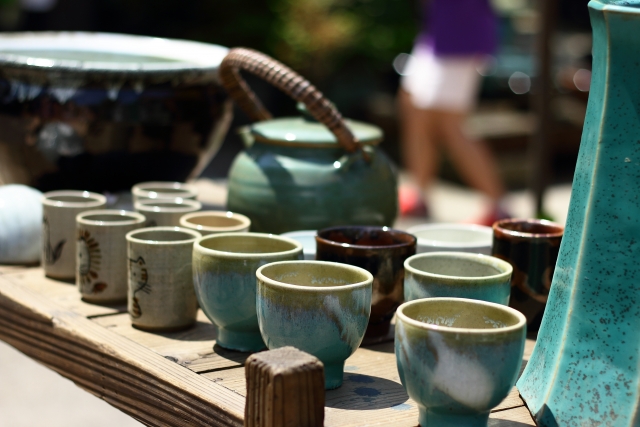
Japan has a long and distinctive history of ceramic craftsmanship, with techniques and aesthetic traditions that have developed over centuries. Today, this heritage can also be found in Japanese ceramic tile, where traditional knowledge is combined with modern manufacturing technology.
From the selection of materials and the application of glaze to the firing process that creates subtle variations in color and texture, many of the qualities that make Japanese tile unique are rooted in this ceramic tradition.
So, what lies behind the character of Japanese tile? And how do traditional craftsmanship and modern technology come together to meet the needs of contemporary architecture and interior design?
In this article, we explore the ceramic heritage behind Japanese tile and the craftsmanship that continues to shape its character.
1. Long Ceramic Tradition Behind Japanese Tile
Ceramic Culture Across Japan
Ceramic production has developed in many regions throughout Japan, with each area cultivating its own materials, techniques, firing methods, and aesthetic traditions.
Mino, Seto, Shigaraki, Tokoname, and Arita are among Japan’s best-known ceramic-producing regions. Each has its own history and identity, reflecting the diversity of Japanese ceramics.
The Mino region in Gifu Prefecture, in particular, has a long history of ceramic production and remains an important center for ceramics and tile manufacturing today.
This regional knowledge has contributed to the development of Japanese tile, connecting architectural materials with a much broader ceramic tradition.
From Ceramics to Architectural Materials
The knowledge developed through ceramic production is not limited to tableware and decorative objects. Over time, ceramic technologies have also been adapted to architectural materials, including wall and floor tile.
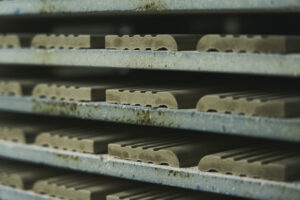
The fundamental processes remain closely connected: preparing raw materials, forming the tile, applying glaze, and firing it at high temperatures.
While modern tile manufacturing has introduced advanced equipment and production controls, these basic ceramic processes continue to influence the final appearance and character of Japanese tile.
2. The Firing Process That Creates Character
Color Changes Through Firing
One of the most fascinating aspects of ceramic tile is that the final appearance is not determined by glaze color alone.
During firing, factors such as temperature, firing time, the position of the tile within the kiln, and the behavior of the glaze can affect the final color and surface.
Even tiles made using the same materials and glaze can develop subtle differences after firing.
This is one of the reasons Japanese tile can have a depth and variation that is difficult to reproduce through a completely uniform surface.
The Individuality Created by Heat and Fire
Firing is more than simply the final step in the manufacturing process. It is a transformation that brings the material to life.
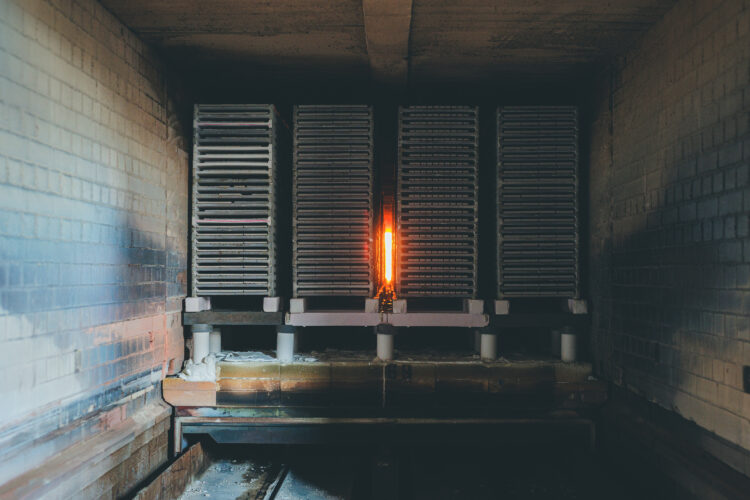 The interaction between clay, glaze, heat, and the kiln environment can create subtle shifts in tone, texture, and gloss. Depending on the tile and the desired effect, these changes may range from barely perceptible to clearly visible.
These characteristics are closely connected to the concept of Shade Variation discussed in our previous article. What may initially appear to be a difference between individual tiles can actually become an important part of the overall visual experience.
Rather than eliminating every trace of variation, Japanese ceramic manufacturing often seeks to control the process while allowing the material to retain its natural character.
3. Where Craftsmanship Meets Modern Manufacturing
Experience Behind the Material
Craftsmanship does not necessarily mean that every part of the process is done by hand.
In ceramic manufacturing, experience and technical knowledge play an important role in understanding how raw materials, glaze, temperature, and firing conditions interact.
Years of accumulated knowledge can influence everything from glaze formulation to firing conditions and quality control.
This expertise helps manufacturers achieve a particular visual character while maintaining the quality required for architectural applications.
Tradition and Technology
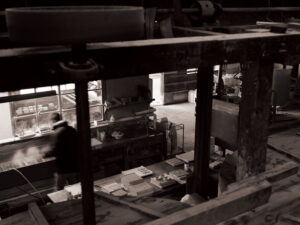
Modern Japanese tile manufacturing combines this accumulated ceramic knowledge with contemporary production technology.
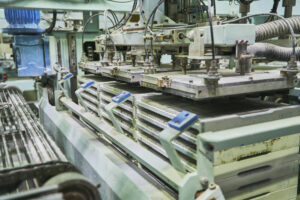
Automated equipment, precise temperature control, production management, and quality inspection help manufacturers produce tiles suitable for commercial and residential projects around the world.
The result is not a choice between traditional craftsmanship and modern manufacturing. Instead, Japanese tile often represents a combination of the two.
Traditional ceramic knowledge provides an understanding of materials and aesthetics, while modern technology helps deliver the consistency, performance, and reliability expected in contemporary architecture.
This balance is an important part of what makes Japanese tile suitable not only for decorative applications, but also for demanding architectural projects.
4. Why Japanese Tile Works in Contemporary Design
Embracing Material Character
Contemporary interior design increasingly places value on materials that have texture, depth, and individuality.
Instead of relying entirely on perfectly uniform surfaces, designers are incorporating materials that reveal subtle changes in color, texture, and light.
Japanese tile naturally fits within this approach.
The character created by glaze and firing can bring warmth and visual depth to walls and surfaces, while subtle variation prevents large tiled areas from feeling flat or overly manufactured.
Creating Depth Through Light
The appearance of ceramic tile can also change depending on the surrounding light.
A glossy glaze may reflect light and create movement across a wall. A textured surface can produce shadows and highlights. Subtle color variation can become more apparent under natural daylight and softer under artificial lighting.
This interaction with light allows tile to contribute to the atmosphere of a space rather than simply providing a background surface.
For this reason, Japanese tile can work particularly well in restaurants, hotels, boutiques, spas, high-end residences, and other spaces where materiality and atmosphere are important.

Beauty and Performance in Balance
The appeal of Japanese tile is not simply its handmade appearance or connection to traditional ceramics.
For architects and designers, a material must also meet practical requirements such as durability, consistency, availability, and suitability for the intended application.
Japanese tile brings together these functional considerations with the visual qualities of ceramic craftsmanship.
This balance allows designers to introduce the warmth and individuality of ceramic materials without giving up the reliability expected from a modern architectural product.
5. Conclusion: The Ceramic Heritage Behind Japanese Tile
The character of Japanese tile comes from more than simply being made in Japan.
It is rooted in a long ceramic tradition, an understanding of materials and glaze, the transformative nature of firing, and the experience accumulated through generations of ceramic production.
At the same time, Japanese tile manufacturing has evolved with modern technology and quality-control systems to meet the requirements of contemporary architecture and interior design.
The result is a material that can combine craftsmanship with reliability, and individuality with functionality.
For designers looking for surfaces with depth, texture, and a sense of material character, Japanese tile offers more than color or pattern. It brings together the knowledge of ceramics, the subtle effects of firing, and a Japanese appreciation for the beauty found in natural variation.
As global design continues to explore warmer, more tactile, and more authentic material expressions, this combination of tradition and innovation gives Japanese tile an enduring place in contemporary architecture and interiors.
In the next article, we will look at practical considerations when selecting Japanese tile for international projects, from understanding specifications and applications to evaluating samples and communicating with manufacturers and suppliers.