


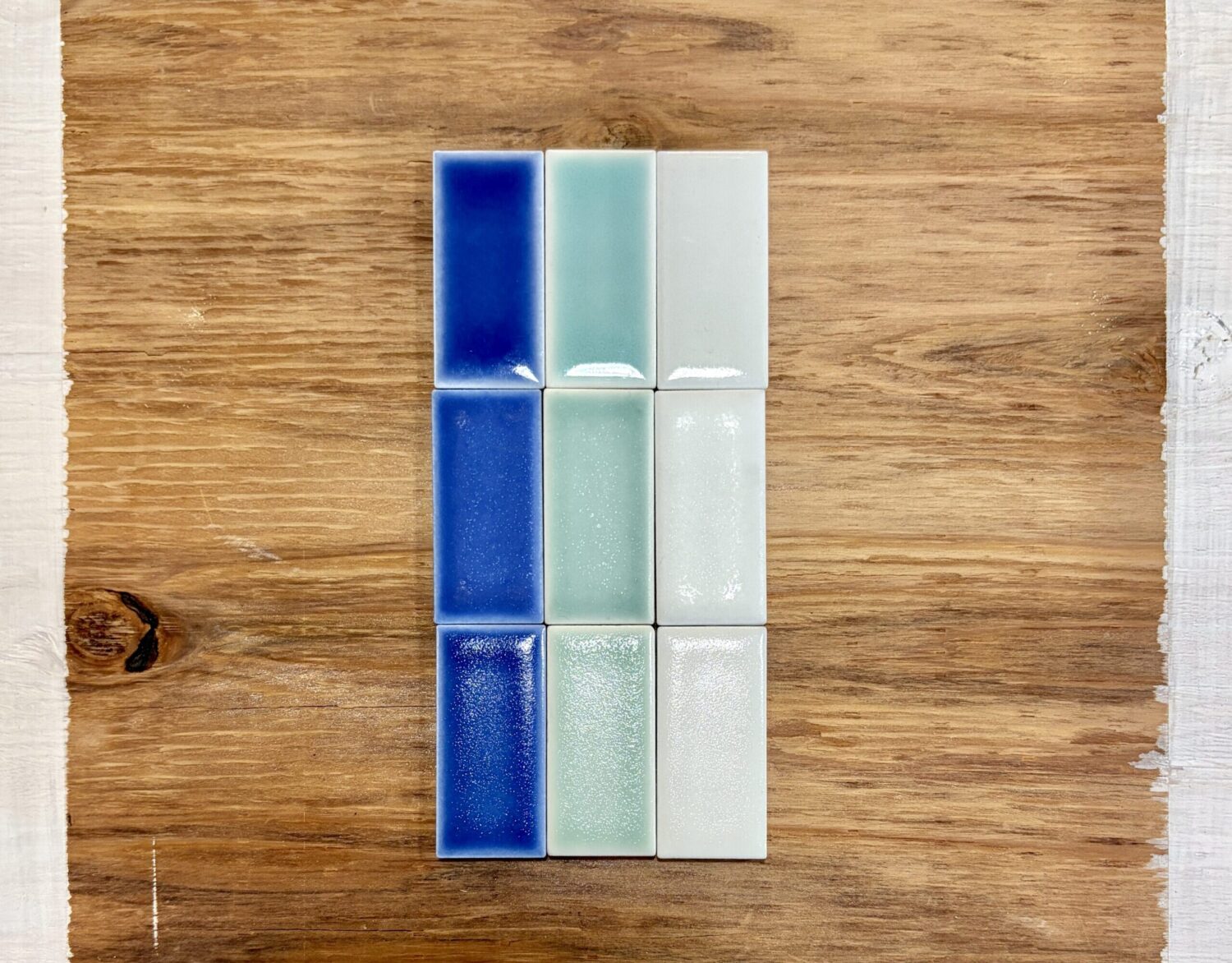
Even tiles in the same color can create very different impressions depending on whether the surface is glossy, matte, or textured.
When selecting tile, color and size often receive the most attention. But for architects and interior designers, the surface finish is equally important. It influences how a tile reflects light, how its color is perceived, and how it interacts with the materials around it.
Japanese tile is particularly known for the subtle character created by glaze and firing, from delicate tonal variation to surfaces that respond beautifully to changing light.
In this article, we explore three elements—glaze, finish, and texture—and how they can be used to shape the atmosphere and visual character of an interior space.
How Glaze Shapes the Character of Tile
More Than Just Color
Glaze does much more than add color to a tile.
Depending on the glaze and firing process, the same basic color can take on different levels of gloss, transparency, depth, and tonal variation.
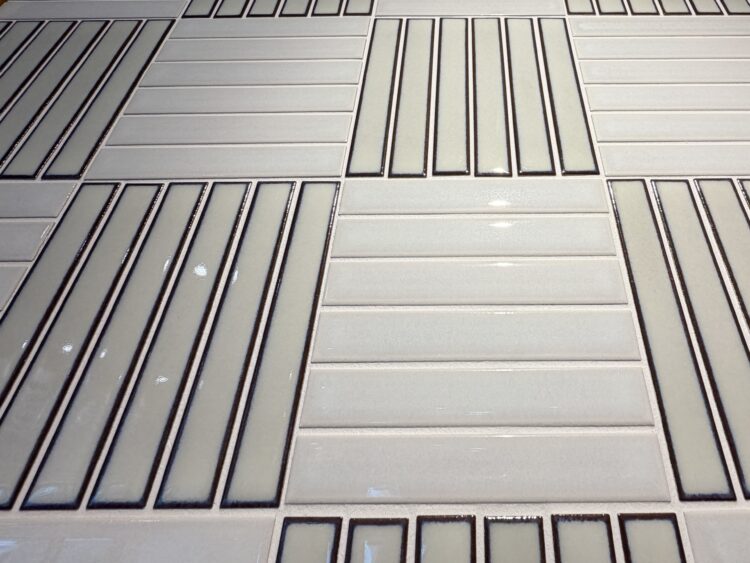
A translucent glaze can create visual depth, while a glossy glaze reflects light and adds movement to a wall. More subdued finishes can allow the material itself to take center stage.
For this reason, when selecting tile, it is important to look beyond color and consider how that color is expressed through the glaze and surface.
Creating Movement with Light
Glossy tile can reflect both natural and artificial light, adding subtle movement and variation across a wall.
This can be particularly effective in restaurants, bars, hotels, boutiques, and other spaces where lighting is an important part of the overall interior design.
However, a glossy finish does not necessarily mean a space will feel bold or flashy. The final impression depends on the relationship between the glaze, color, Shade Variation, texture, and lighting.
Choosing Between Matte, Semi-Gloss, and Gloss
The Quiet Appeal of Matte
Matte tile has relatively little surface reflection, allowing the texture and character of the material to come forward in a softer way.
It works naturally with materials such as wood, natural stone, plaster, and linen, making it well suited to interiors that emphasize warmth and materiality, including Warm Minimalism and Organic Design.
On tiles with Shade Variation, a matte surface can also create a softer, more subtle transition between different tones.
The Balance of Semi-Gloss
Semi-gloss finishes sit between matte and high-gloss surfaces.
They reflect light without creating as much reflection as a full gloss finish, allowing color and texture to remain visible while adding a gentle sense of brightness to the space.
Because of this balance, semi-gloss tile can work across a wide range of applications, from residential interiors to hotels, restaurants, and retail spaces.
The Impact of Gloss
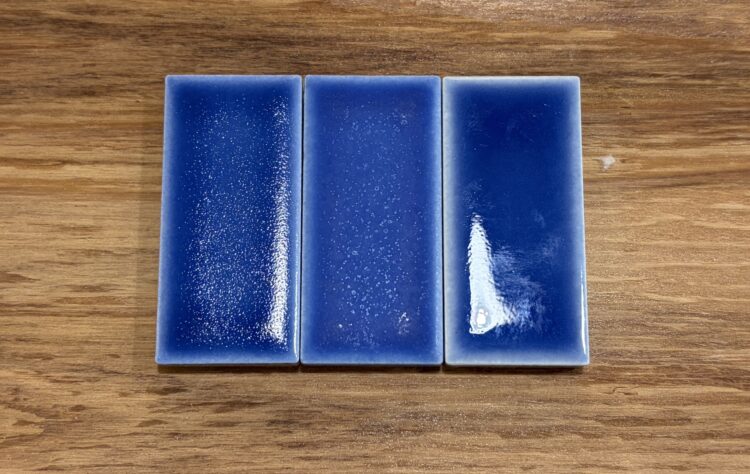
Gloss finishes reflect light more strongly, making color and glaze movement particularly noticeable.
On tiles with natural Shade Variation, reflected light can further emphasize the subtle differences from one tile to another.
But finish alone does not determine the overall character of a space. Color, tile size, grout, lighting, and installation pattern all contribute to the final result.
Creating Light and Shadow with Texture
The Beauty of a Flat Surface
Flat tile surfaces can create a clean and continuous plane.
Even without pronounced relief, however, glaze and Shade Variation can add richness to the surface. This makes flat tile a good choice when the goal is to let the material itself provide visual interest rather than relying on a highly decorative shape or pattern.
Adding Dimension with Relief
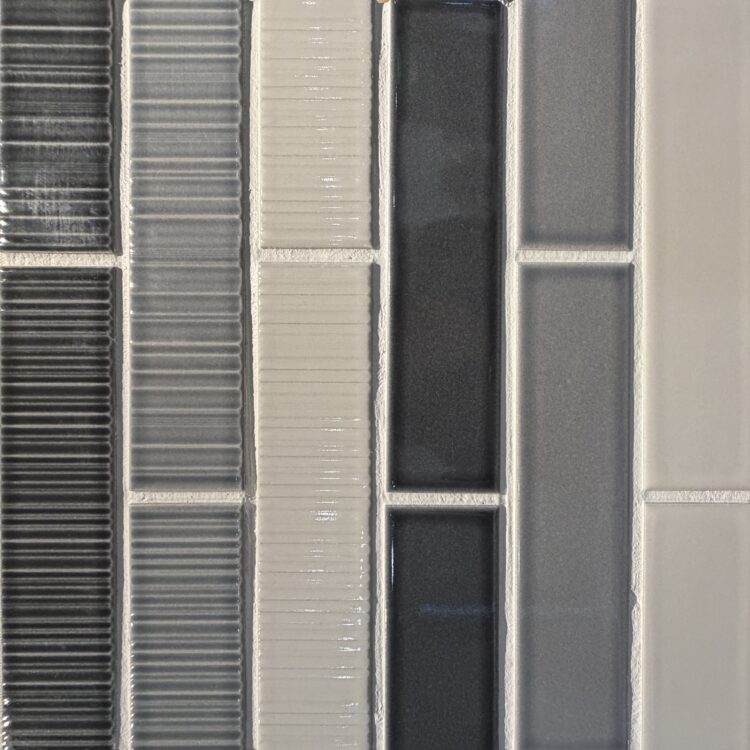
Textured or three-dimensional tile creates another kind of visual experience.
Even subtle relief that is difficult to notice from straight on can produce changing highlights and shadows when light strikes the surface from an angle.
When combined with thoughtful lighting, textured tile can become an architectural feature in its own right, adding depth and movement to a wall.
Texture can also create a more tactile quality, inviting people to experience the material not only visually but through the suggestion of touch.
What to Consider When Selecting a Finish
Start with the Desired Atmosphere
The right finish depends first on the atmosphere you want to create.
Matte surfaces can contribute to a calm and understated interior. Gloss can introduce more light and visual energy, while semi-gloss can provide a refined balance between reflection and texture.
These are useful starting points rather than fixed rules. The same finish can look completely different depending on color, lighting, scale, and the surrounding materials.
Consider the Materials Around the Tile
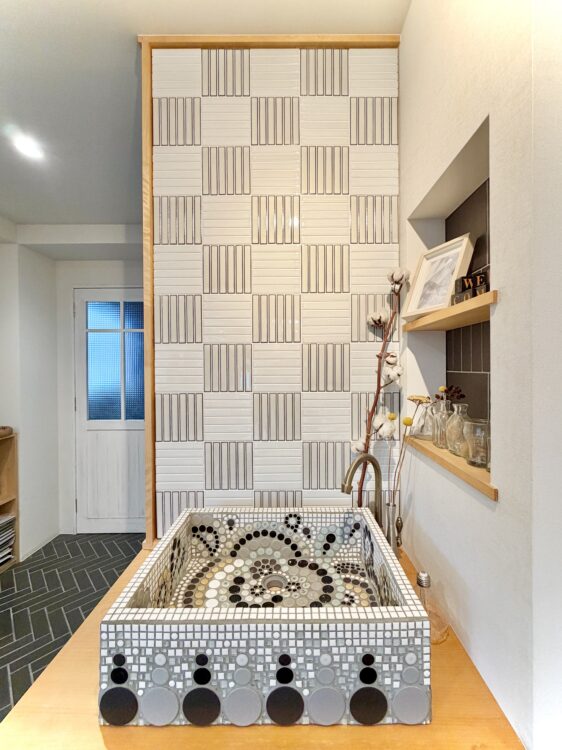 Tile should not be considered in isolation.
When paired with wood, tile can contribute to a warm and natural interior. Combined with stone, it can highlight the contrast between different material textures. With metal or glass, the reflective qualities of a glazed surface can become more pronounced.
The finish should therefore be considered as part of the overall material palette of the space.
Evaluate the Tile in Real Light
Whenever possible, evaluate a tile under lighting conditions that are similar to the finished space.
This is especially important with glossy and textured surfaces, since their appearance can change significantly depending on the direction and intensity of light.
Rather than looking at a single tile, place multiple pieces together and consider how they will look under the actual or anticipated lighting conditions. This provides a much more realistic impression of the finished installation.
Conclusion: Surface Finish Is Part of the Design
When selecting tile, looking beyond color and shape to consider glaze, finish, texture, and light can open up many more possibilities for interior design.
Gloss can capture and reflect light, creating movement across a surface. Matte finishes can reveal the material in a softer, quieter way. Semi-gloss offers a balance between reflection and texture, while relief and other surface textures create depth through light and shadow.
There is no single “right” finish.
What matters is how the tile works with the light, surrounding materials, installation pattern, and overall experience of the space.
The glaze and firing characteristics of Japanese tile can make these relationships especially interesting, with subtle variations and surface qualities becoming more visible as light moves across the material.
By considering not only what a tile looks like, but how its surface responds to light and interacts with the rest of the interior, designers can use tile as more than a finishing material. It can become an important part of the visual and sensory character of the space.
In the next article, we will look at tile size, shape, and installation patterns, and explore how the same tile can create very different impressions depending on how it is laid.00