


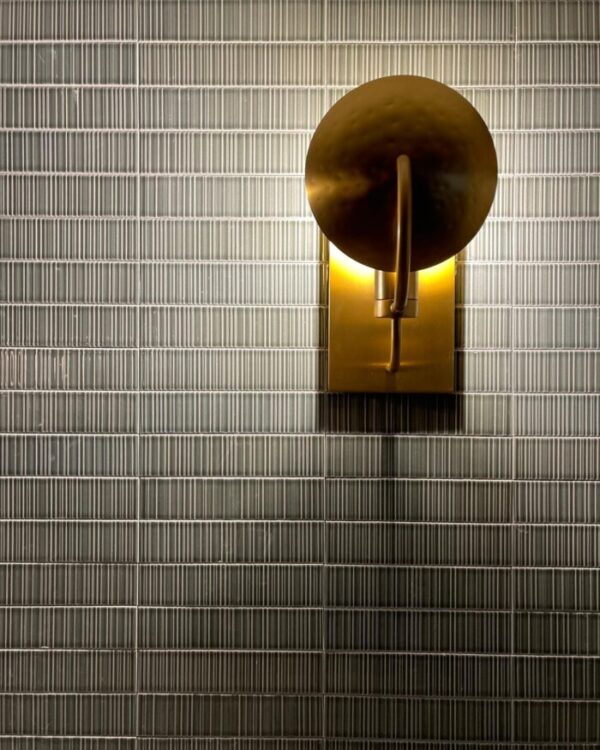
Tile can look remarkably different depending on how light interacts with its surface. The same tile may appear warmer, cooler, glossier, or more textured under different lighting conditions. Glaze, surface finish, and subtle color variation all influence how a tiled surface is perceived. For architects and interior designers, understanding the relationship between tile and lighting is essential to creating a cohesive and visually engaging space. In this article, we explore how natural and artificial light affect the appearance of tile and how thoughtful lighting design can bring out the character of Japanese-made tile.
How Light Changes the Appearance of Tile
When selecting tile, designers often focus on color, shape, and surface finish. However, another factor has a significant influence on the final result: light.
The same tile can look very different in natural daylight and under artificial lighting. Glossy tile reflects light and can create a bright, dynamic effect, while matte tile tends to produce a softer, more understated appearance. Textured tile introduces another dimension, as light and shadow emphasize the contours of the surface.
The character of tile, therefore, is not determined by the material alone. It also depends on how the material interacts with light in its surroundings.
How Natural Light Reveals the Character of Tile
Natural light changes throughout the day depending on the time, weather, window orientation, and surrounding environment. Soft morning light, bright midday sun, and warm evening light can each reveal different qualities in the same tiled surface.
For example, tile with natural Shade Variation may appear more nuanced as daylight shifts across the surface. On textured tile, the contrast between illuminated areas and shadows can change throughout the day, giving the wall or floor a sense of movement.
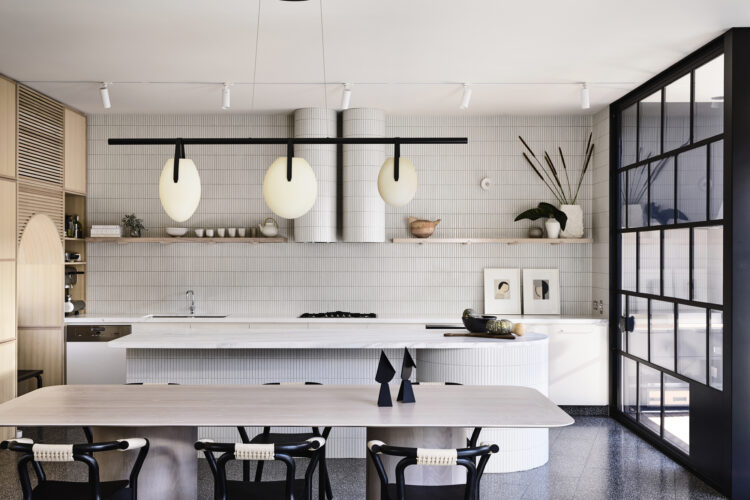 Photo provided by: Mittsu Japanese Tile Explore KB-M-71
When specifying tile near windows or other sources of daylight, designers should consider more than the overall brightness of the space. The direction of incoming light, the timing of direct sunlight, and the way light moves across the surface can all influence the final appearance.
Creating Atmosphere with Artificial Lighting
Artificial lighting gives designers greater control over the visual atmosphere of an interior. Rather than illuminating every surface uniformly, lighting can be directed toward specific areas to emphasize the qualities of a material.
For example, softly illuminating a tiled wall in a restaurant can create an inviting and intimate atmosphere. In a hotel lounge, light reflecting from a glazed tile surface can introduce a subtle sense of luxury and visual interest.
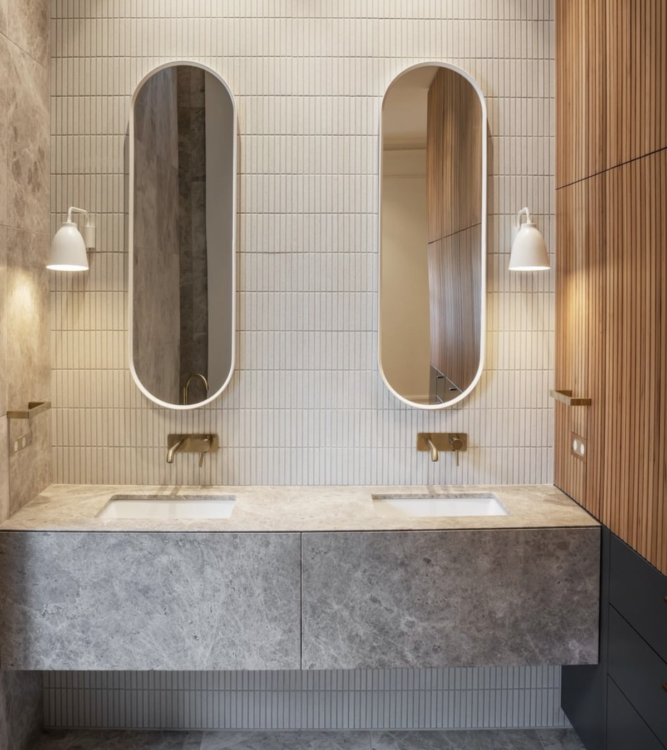 Photo provided by: Mittsu Japanese Tile Explore KB-M-71
Lighting should not be viewed only as a way to make a space brighter. It is also a design tool that can reveal the color, texture, and character of tile.
Understanding the Relationship Between Light and Color
Selecting tile color from a catalog or sample is only the beginning of the specification process. The color perceived in a finished interior may differ from what designers initially expect.
Why the Same Tile Can Look Different
The color we perceive is influenced not only by the material itself but also by the light source, the intensity of illumination, and the colors surrounding it.
White and beige tile, for example, can look warmer or cooler depending on nearby wood, stone, wall finishes, and furnishings. Gray tile may appear warm and understated in one setting but cooler and more architectural in another.
How Color Temperature Influences Tile Color
Light sources vary in color temperature, typically described in Kelvin (K). Lower color temperatures generally produce warmer, more yellow or amber light, while higher color temperatures tend to appear whiter or cooler.
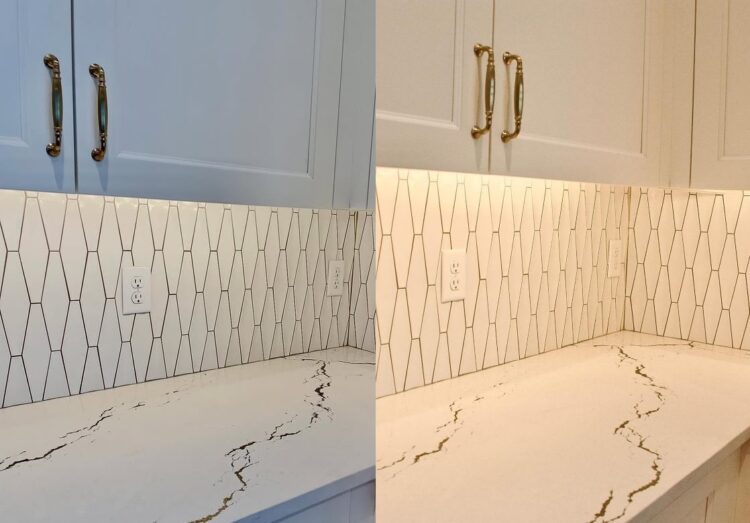 Photo provided by: @baptista_design Explore VER-1
These differences can affect how tile colors are perceived. A beige tile under warm lighting may appear more golden, while the same tile under cooler lighting may look more neutral. Subtle glaze colors and neutral shades such as white and gray can be particularly sensitive to these changes.
When specifying tile for a project, it is worth considering the intended lighting alongside the material selection. Reviewing samples under the planned lighting conditions can help reduce unexpected differences between the design concept and the finished space.
Designing with Tile and Light
Understanding how light interacts with tile creates opportunities not only for material selection but also for deciding where tile should be used and how it should be illuminated.
Using Lighting to Highlight Tile Walls and Accents
Tile does not always need to cover an entire wall or floor to make an impact. A feature wall, backsplash, recessed niche, or small accent area can become a focal point when combined with thoughtful lighting.
For example, grazing light—light directed along a surface at a shallow angle—can emphasize the relief and texture of three-dimensional tile. With glossy glazed tile, carefully positioned lighting can create reflections that draw attention to the surface.
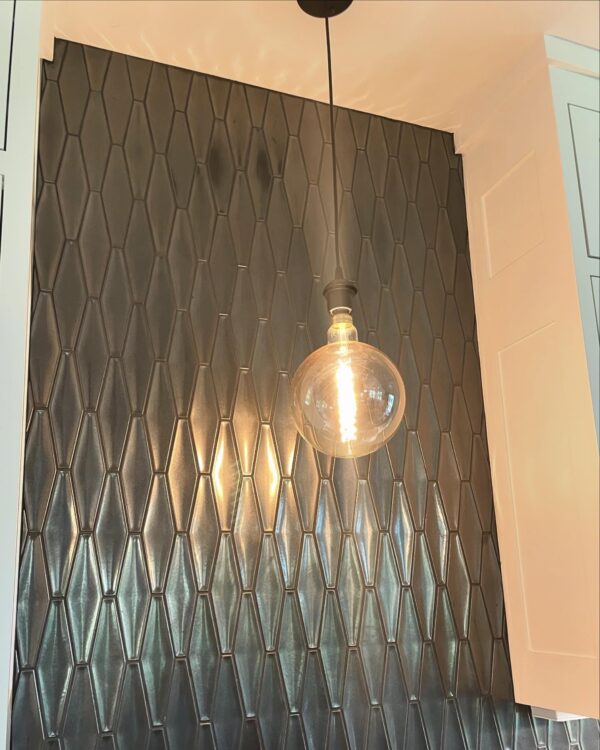 Photo provided by: @baptista_design Explore VER-7
These approaches can be effective in hotel lobbies, restaurants, boutiques, and residential bathrooms, where a distinctive material can help establish the identity of the space.
However, stronger lighting does not automatically produce a better result. Excessive glare or overly dramatic shadows can distract from the material itself. The placement, angle, and intensity of lighting should be considered in relation to the tile’s finish, shape, and texture.
Choosing Lighting for Different Interior Spaces
The intended use of a space should also guide decisions about tile and lighting.
In restaurants and lounges, warm, carefully controlled lighting can emphasize the richness of a material and create a welcoming atmosphere. In retail environments and boutiques, more focused lighting may help highlight tile color and texture while supporting the brand’s visual identity.
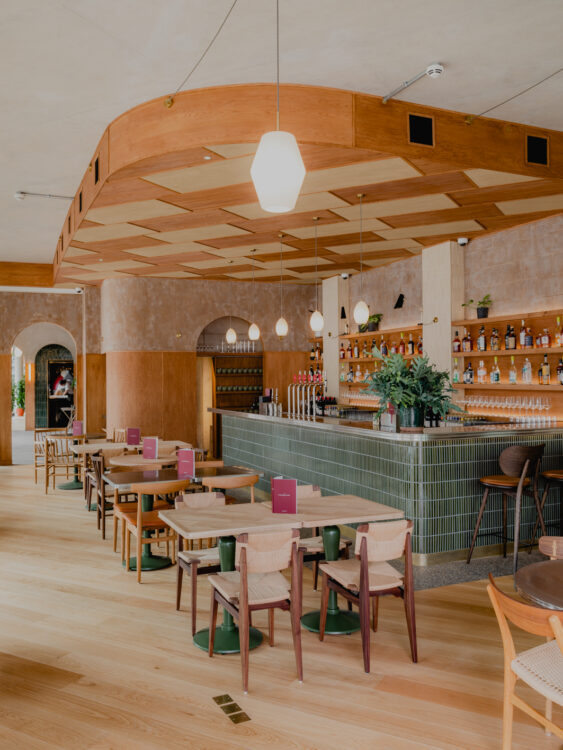 Photo provided by: Mittsu Japanese Tile Explore KB-M-1
Residential bathrooms and wash areas require a different balance. Along with appearance, designers need to consider practical illumination, visibility, glare, and safety. Tile selection and lighting design should work together to support both the atmosphere and the functional requirements of the space.
Rather than specifying tile and lighting independently, designers can achieve a more cohesive result by evaluating them together as part of the overall interior concept.
Conclusion: Better Tile Design Starts with Understanding Light
The appearance of tile is shaped by more than color, shape, and surface finish. Natural and artificial light influence how its glaze, texture, reflectivity, and Shade Variation are perceived, ultimately affecting the character of an interior.
Japanese-made tile offers particularly interesting possibilities in this regard. Subtle glaze effects, natural tonal differences created during firing, and distinctive surface textures can reveal different qualities as lighting conditions change.
For this reason, selecting tile involves more than reviewing a sample or choosing a color from a catalog. Designers should consider the natural light available in the space, the type and color temperature of artificial lighting, and the direction from which light will reach the surface.
When tile and lighting are considered as parts of the same design process, the result can be an interior with greater depth, atmosphere, and visual interest. The goal is not simply to choose an attractive tile, but to understand how its character can be revealed through light.